
Multi Split
Multi Split system
Each indoor unit in a Multi Split system can be controlled independently, allowing you to customize cooling and heating in different rooms.
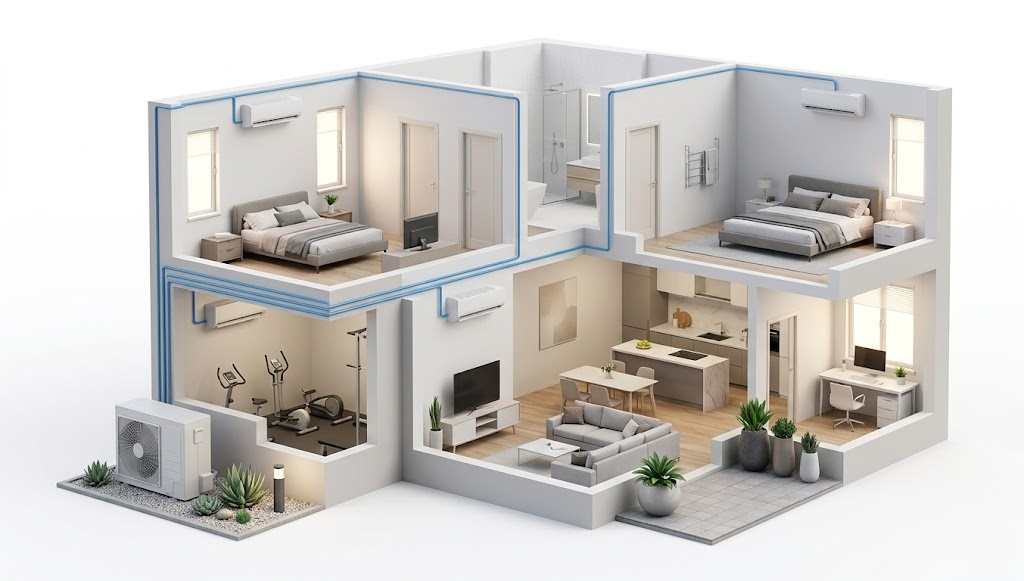
Highlights of benefits
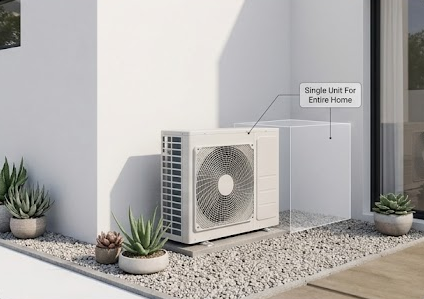
Space saving
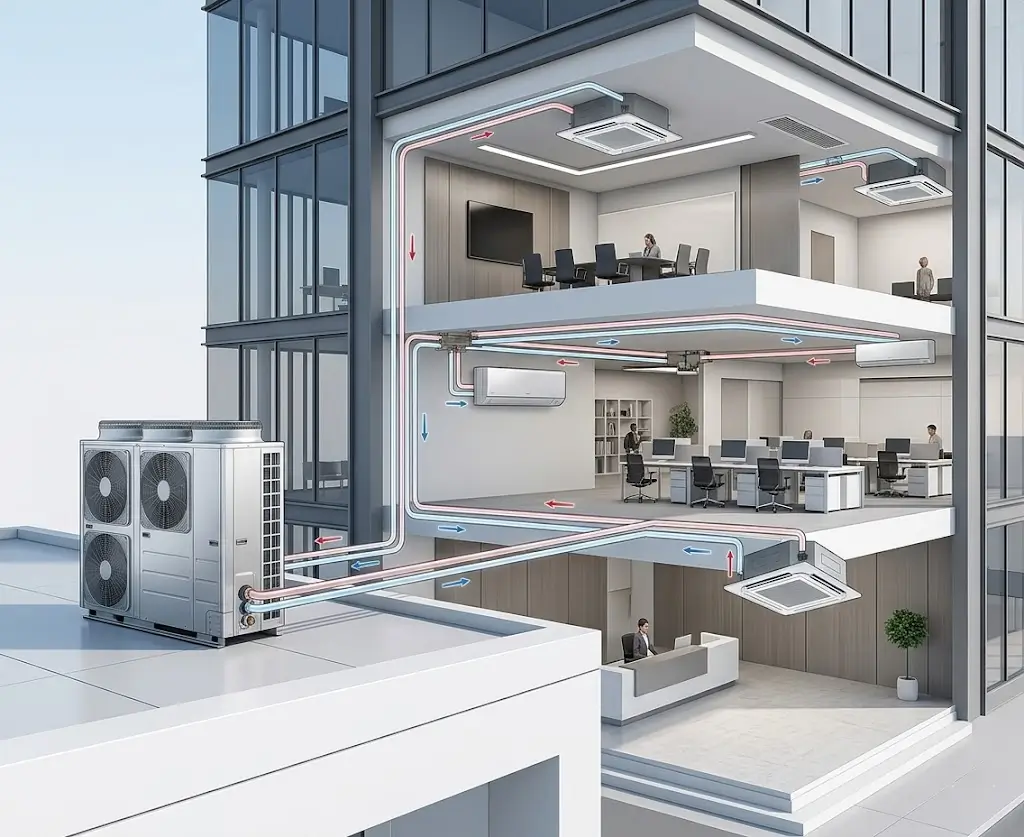
Multiple indoor units
Product Lineup
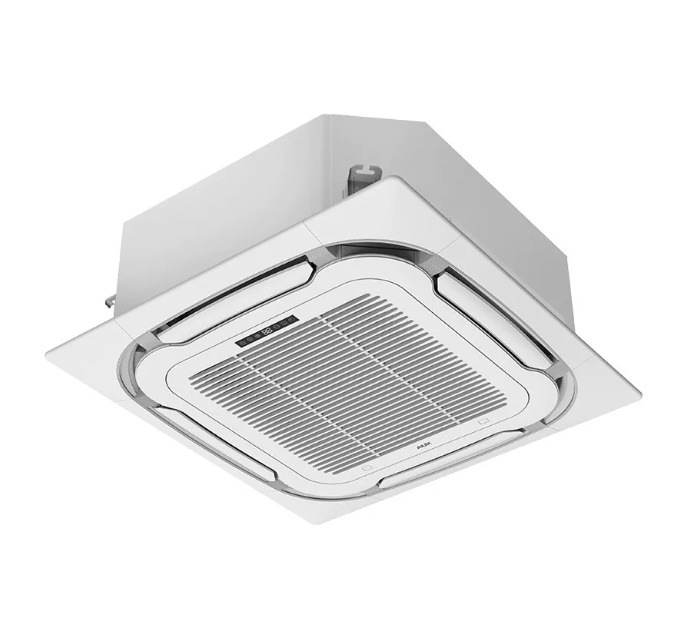
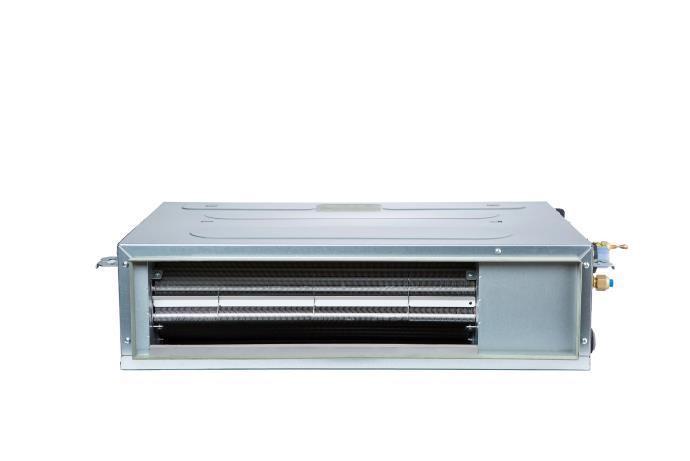
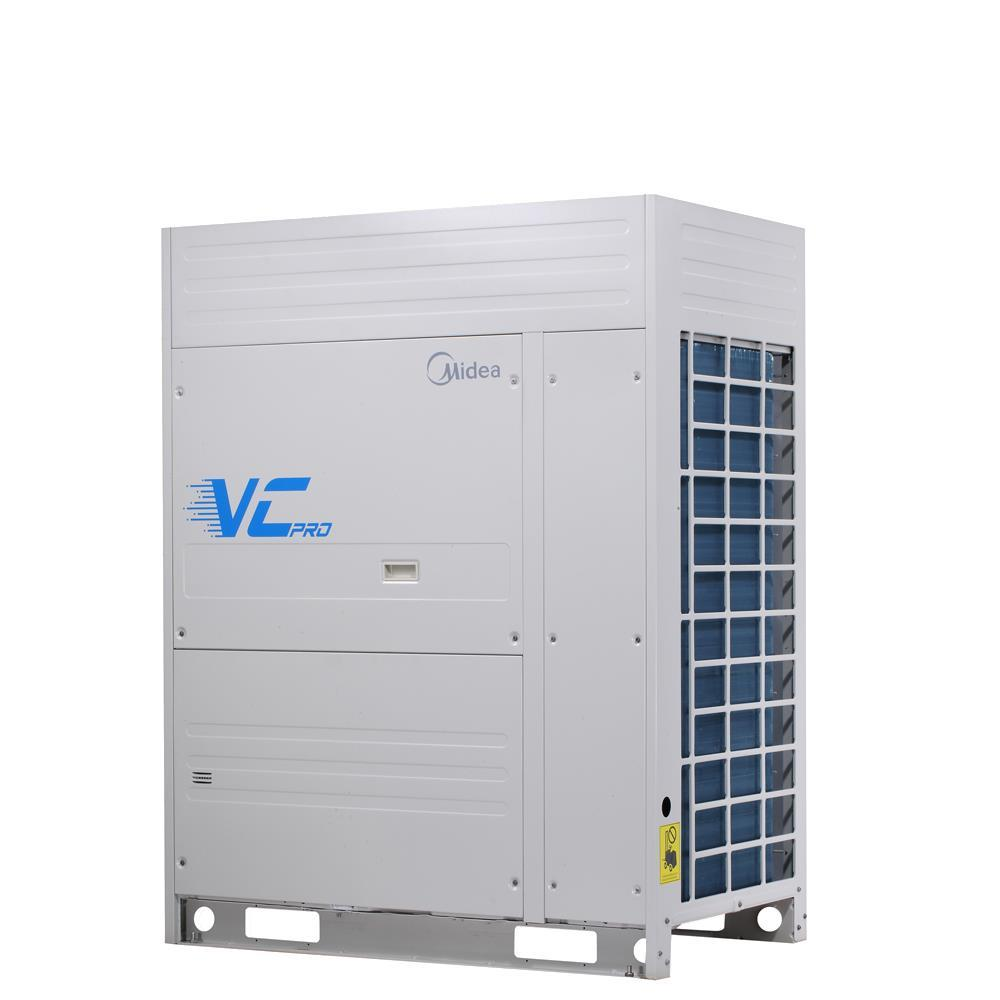
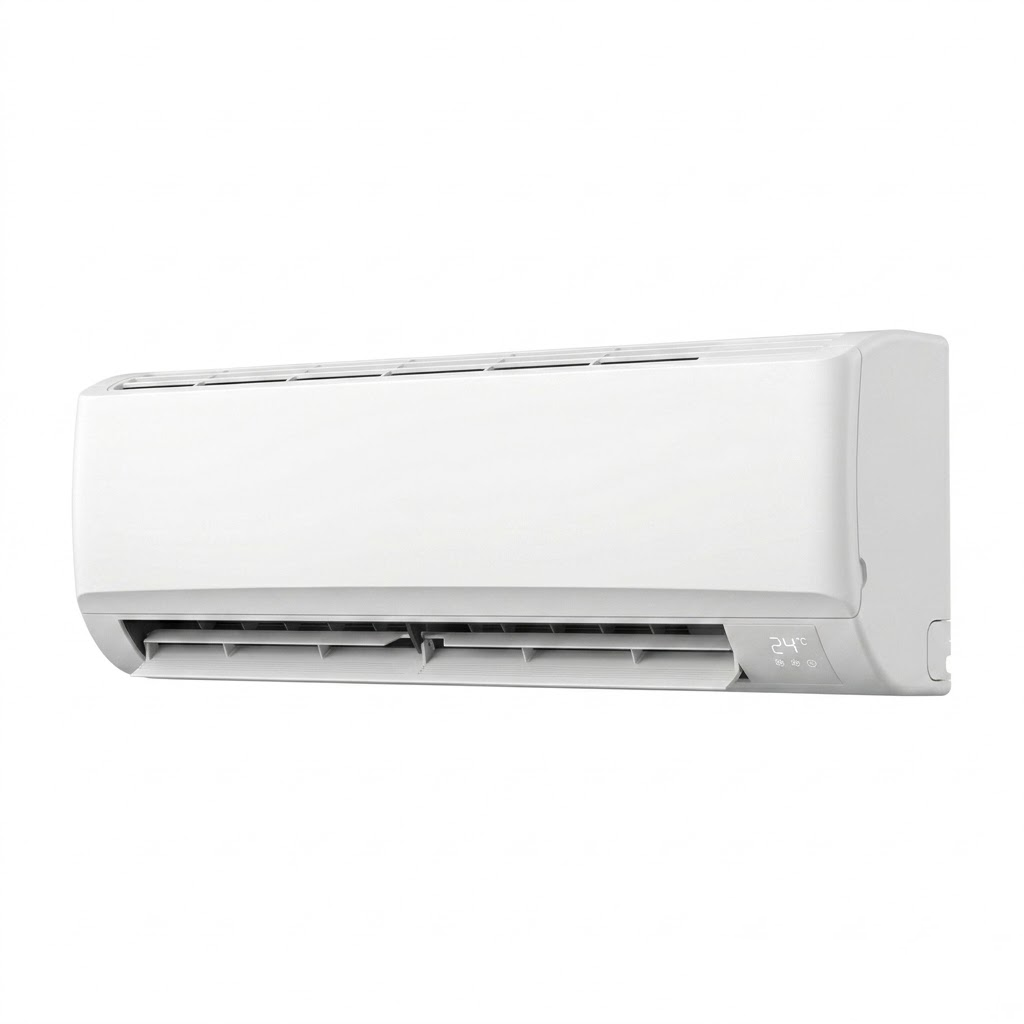
* Product lineup can be varied by each country.
FAQ
What is the maximum number of indoor units that can be connected to a single multi-split outdoor unit?
The exact capacity depends on the outdoor unit model and total cooling capacity. Standard commercial multi-split systems support connecting 5 to 8 indoor units to a single outdoor compressor. Large-scale commercial VRF systems support significantly more connections. The total configured capacity of the indoor units must strictly match the specified ratio parameters of the outdoor unit.
Does a multi-split system support mixing different types of indoor units?
Yes. Multi-split systems permit the combination of multiple indoor unit styles on the same condenser, including ceiling-mounted cassettes, ceiling-concealed ducts, and wall-mounted units. This modular flexibility accommodates varied ceiling structural requirements and specific cooling load demands across different rooms within the same building.
How does inverter technology in multi-split systems optimize overall energy efficiency?
Multi-split systems utilize DC inverter compressor technology. The system control board calculates cooling requirements and dynamically adjusts the compressor motor speed based on the number of active indoor units and actual ambient temperatures. Distributing refrigerant flow on demand prevents the frequent start-stop cycles typical of non-inverter equipment, significantly reducing the overall operational power consumption of the system.
What are the limitations regarding length and elevation differences for refrigerant piping installation?
Physical limit specifications vary by specific product line. Standard multi-split systems generally allow a maximum total refrigerant piping length of 50 to 80 meters. The maximum elevation difference between outdoor and indoor units is typically restricted to 15 to 20 meters. Prior to project piping layout and construction, it is necessary to verify the engineering technical manual of the specific model to ensure system oil return and cooling capacity attenuation remain within acceptable limits.
How do multi-split systems perform regarding post-project maintenance costs?
Multi-split systems feature a modular, independent control design. A fault in a single indoor unit or an individual circuit generally does not cause the entire refrigerant system to fail. Routine maintenance primarily focuses on cleaning the filters of terminal indoor units and inspecting the outdoor condenser fins for blockages. The waterless design eliminates the pipe descaling and water pump maintenance associated with traditional chilled-water central air conditioning, effectively controlling long-term equipment operational costs.