
Chiller
Delivering advanced cooling solutions for large-scale facilities with our robust, energy-efficient commercial and industrial chillers.
High-Efficiency Industrial Chiller Solutions
Air-Cooled / Water-Cooled / Screw / Scroll / Centrifugal Chillers
- Reduce Energy Consumption by up to 30%
- Precise Temperature Control (±0.5°C)
- Low-GWP Refrigerant Options Available
CENTRIFUGAL CHILLER
Fixed-frequencyCentrifugal Chiller
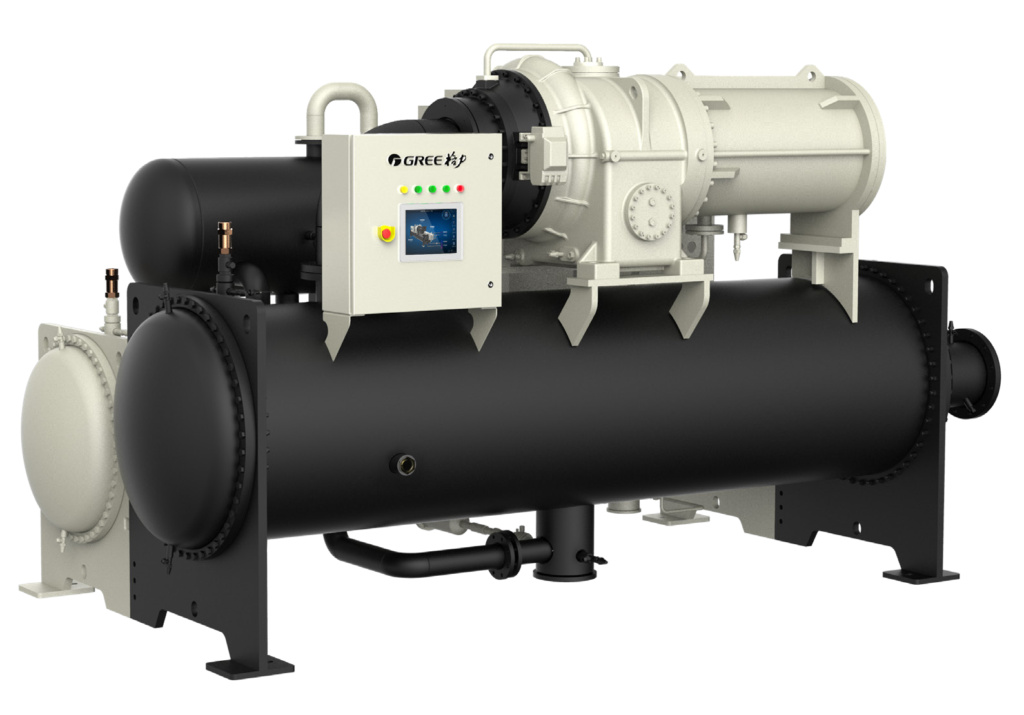
CVE InverterCentrifugal Chiller
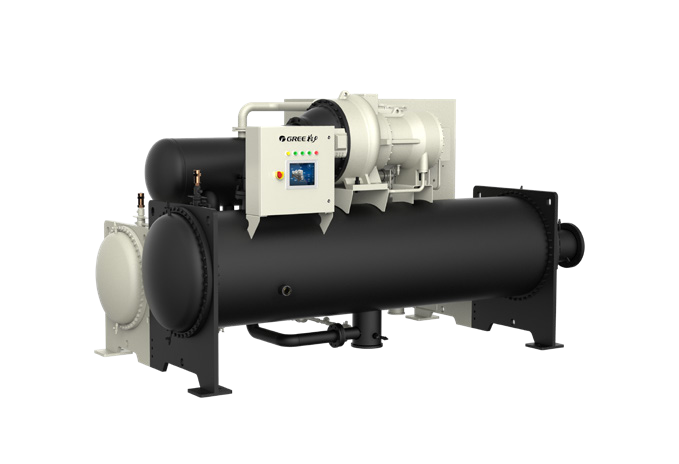
CCE MagneticBearing Inverter Chiller
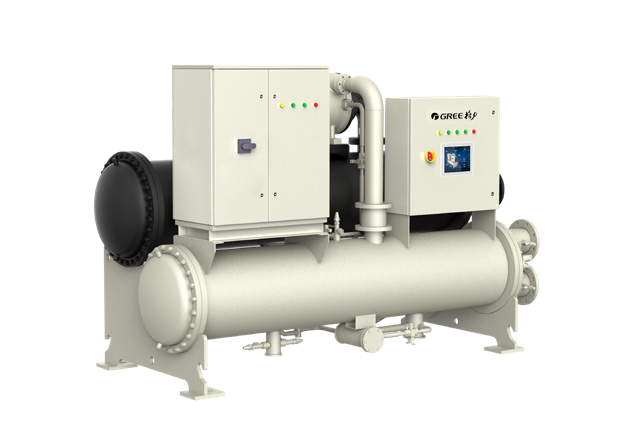
CVS PV DirectdrivenInverter Centrifugal
CVT Data Center Chillers
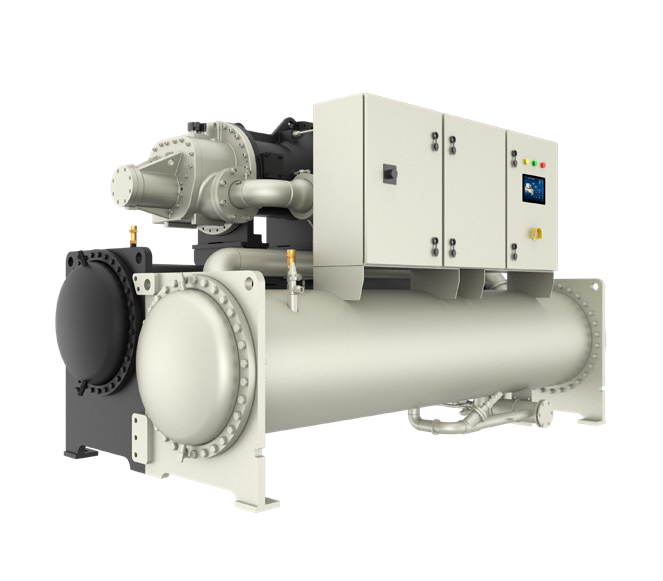
HIGH-EFFICIENCYWATER-COOLED SCREW CHILLER
VFD water coded screw chiler
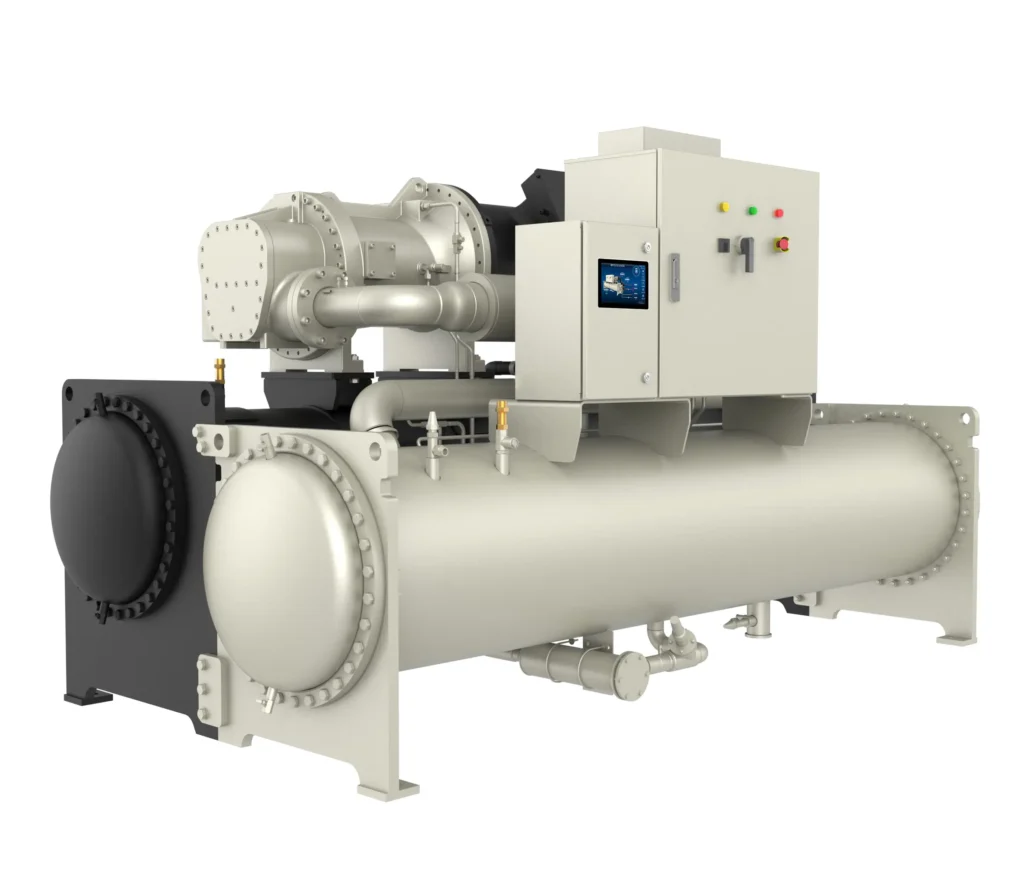
Fixed frequency screw chiller
HIGH-EFFICIENCY AIR-COOLED SCREW CHILLER
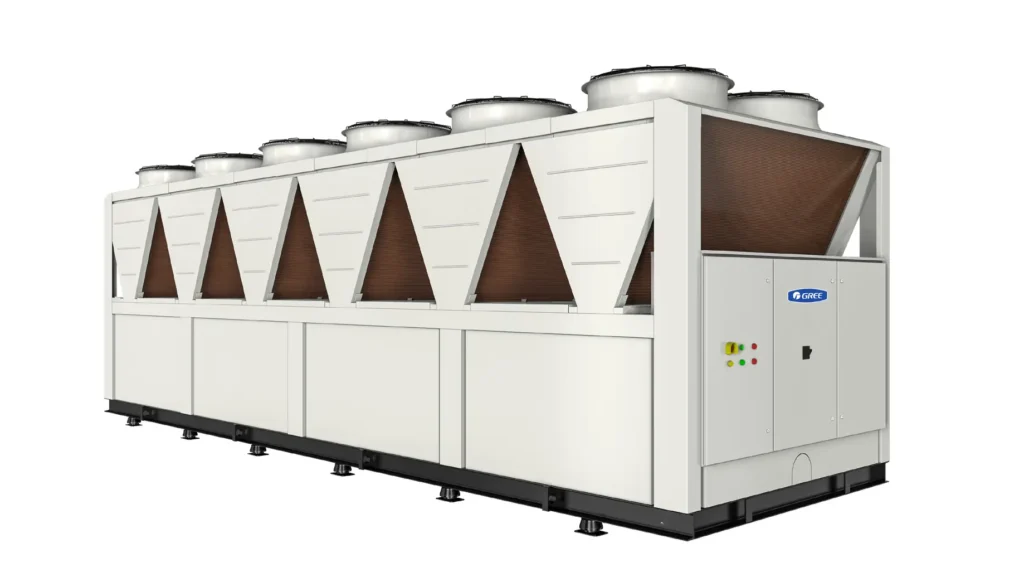
LME&LMP Series Fixed Speed Air Cooled Screw Chiller
Dual screw semi-hermetic compressor
- Dual screw semi-hermetic compressor
- High efficiency heat exchanger
- High-accuracy electronic expansion valve (EXV) control
- The flasher economizer is adopted for increasing the cooling capacity by 10% and improving the cooling efficiency at the same time.
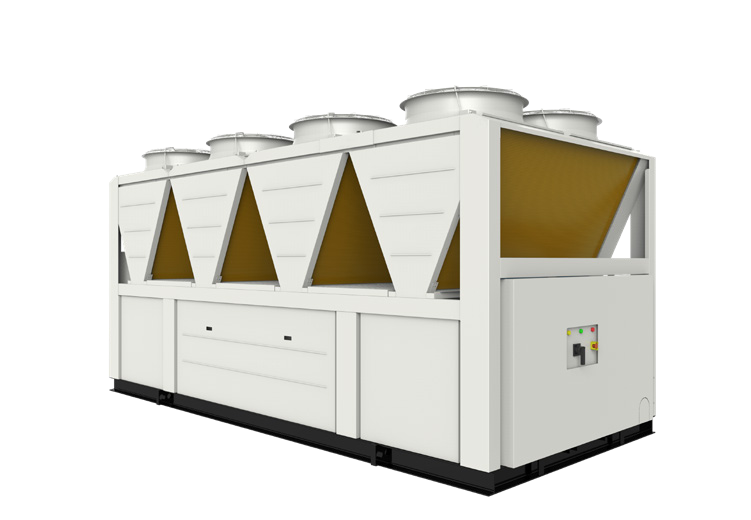
LMVE Series VFD Air Cooled Screw Chiller
Dual screw semi-hermetic compressor
- Dual screw semi-hermetic compressor
- Permanent magnet synchronous motor
- High efficiency heat exchanger
- The flasher economizer is adopted for increasing the cooling capacity by 10% and improving the cooling efficiency at the same time.
FAQ
What is the main difference between air-cooled and water-cooled industrial chillers?
The primary difference lies in the condenser cooling method. Air-cooled chillers use ambient air and fans to dissipate heat, making them easier to install with lower upfront costs and no water consumption. Water-cooled chillers use a cooling tower and water pump system to reject heat; they generally offer higher energy efficiency and a longer lifespan, making them ideal for large-scale, heavy-duty industrial applications where a continuous water supply is available.
How do I determine the correct sizing and cooling capacity for my facility?
Chiller sizing is calculated based on your facility’s specific heat load. This involves evaluating the temperature difference required, the flow rate of the chilled fluid, the specific heat of the fluid, and the ambient environment. Undersizing leads to inadequate cooling, while oversizing causes inefficient short-cycling. We highly recommend having our HVAC engineers conduct a thermal load analysis to specify the exact tonnage required for your project.
What is the typical lifespan of an industrial chiller system?
With proper maintenance, a heavy-duty industrial chiller can last between 15 to 25 years. Water-cooled chillers typically operate on the higher end of this spectrum (20+ years) due to being installed indoors and operating at lower condenser pressures. Air-cooled chillers usually last 15-20 years as they are exposed to outdoor elements.
How often does an industrial chiller require professional maintenance?ations regarding length and elevation differences for refrigerant piping installation?
We recommend a comprehensive professional inspection at least twice a year—ideally before the peak cooling season. However, routine maintenance such as checking refrigerant levels, inspecting water quality (for water-cooled systems), and cleaning condenser coils (for air-cooled systems) should be logged monthly or quarterly by your facility management team to ensure peak energy efficiency.
Can your chiller systems be customized for specific manufacturing processes?
Yes. We provide customized process cooling solutions tailored to specific industries such as plastics manufacturing, chemical processing, pharmaceuticals, and food & beverage. Customizations can include specific temperature ranges, anti-corrosive coatings for harsh environments, specialized pump stations, and integration with advanced PLC (Programmable Logic Controller) systems.