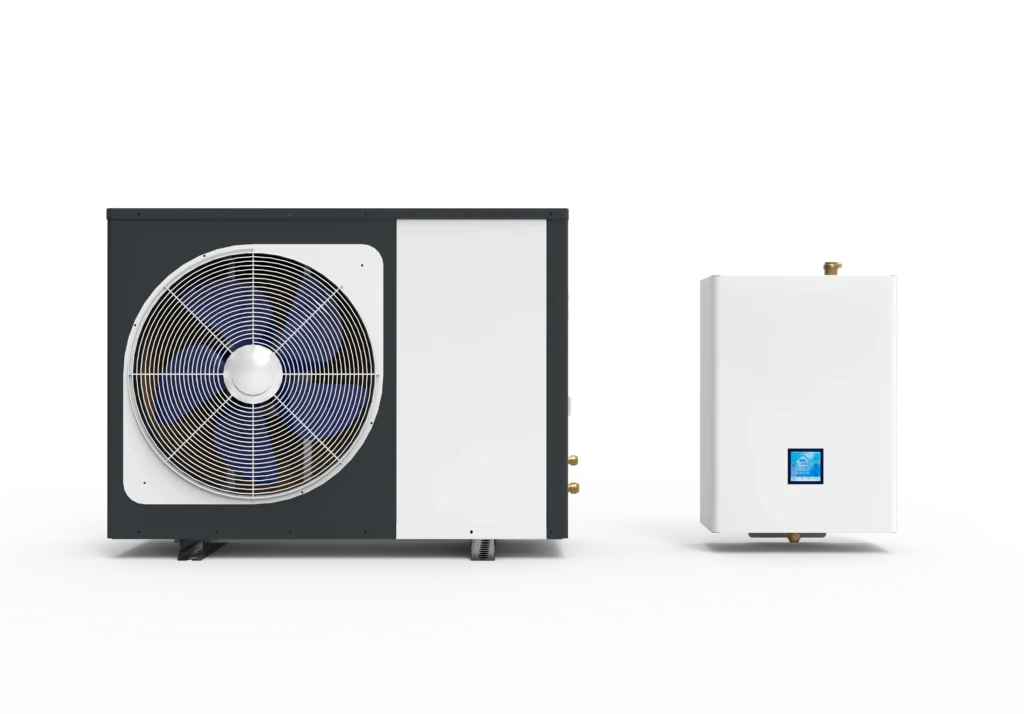
Air to Water Heat Pumps
Engineered air-to-water heat pump systems for stable, high-efficiency building thermal management. Delivering integrated HVAC solutions tailored for commercial and industrial projects.
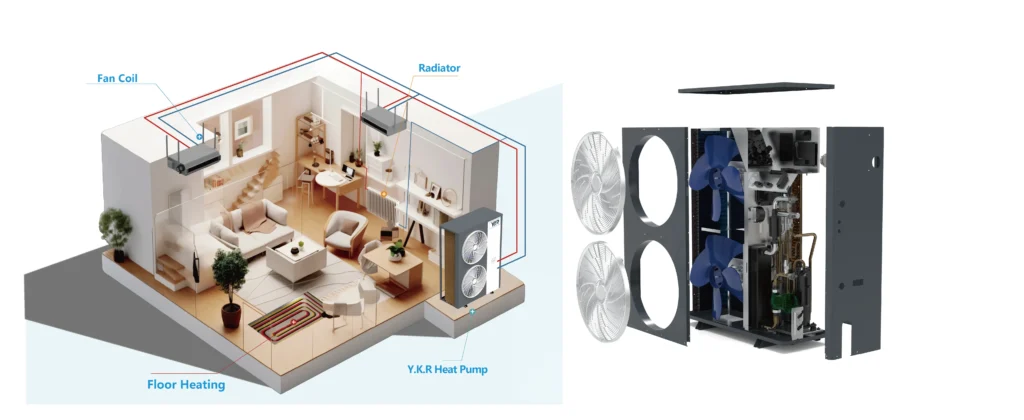
What is Air to Water Heat Pumps
Key Features
Operational Cost Efficiency
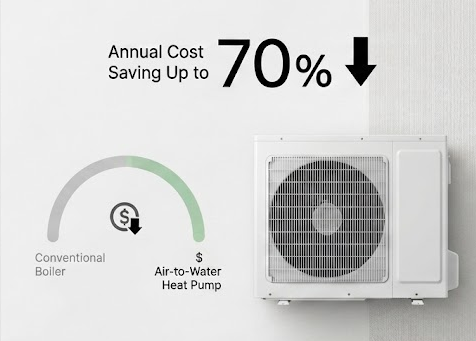
Up to 75% Annual Energy Savings
System performance is rigorously tested and validated under European Standard EN 14825. Independent verification is publicly available via the official Heat Pump KEYMARK database.
Energy savings are calculated based on space heating demands under EN 14825 parameters, assuming 35°C leaving water temperature operations.
Comparative efficiency values depend on the specific heat pump model and the declared Prated capacity.
Final system efficiency is contingent upon accurate on-site configuration conducted by a certified Installation Team.
Product Lineup
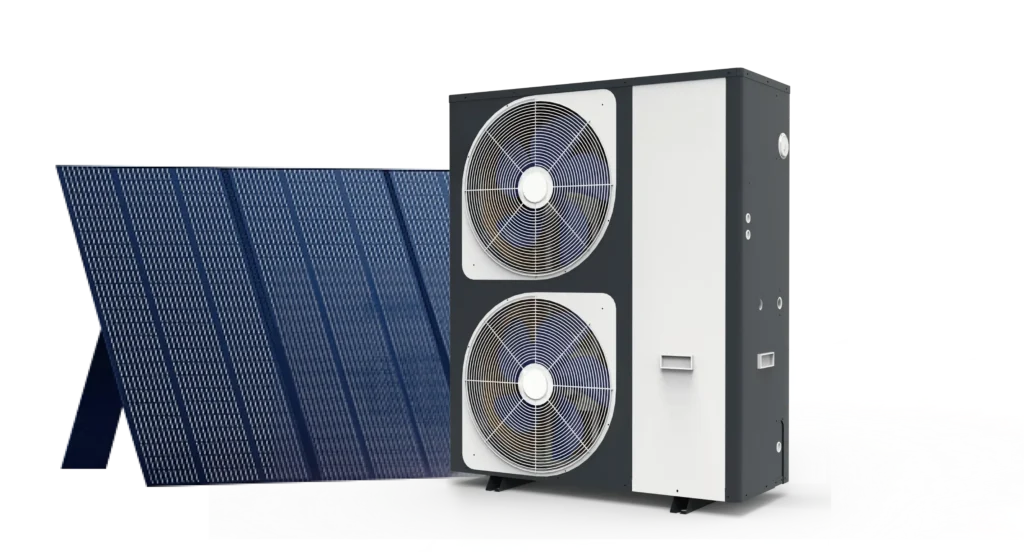
R32 Monoblock PV Series (5HP, 6HP, 8HP, 10HP)
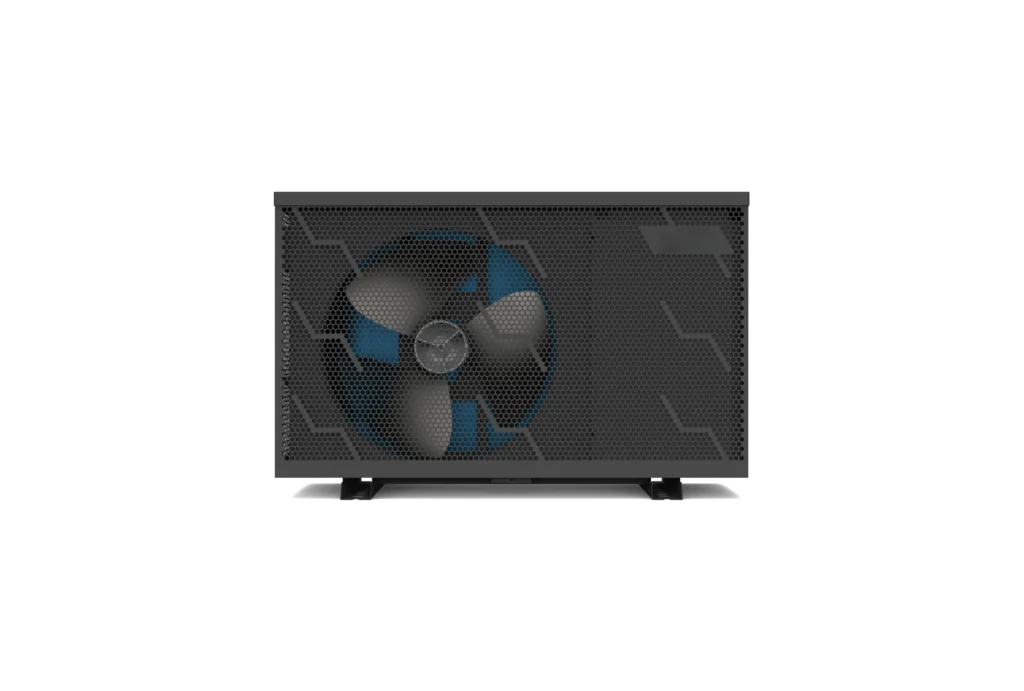
R32 Swimming Pool Heat Pump 7kW–35kW
R32 Split-System Series (3 HP – 4 HP)
R290 Series 8 HP–13 HP
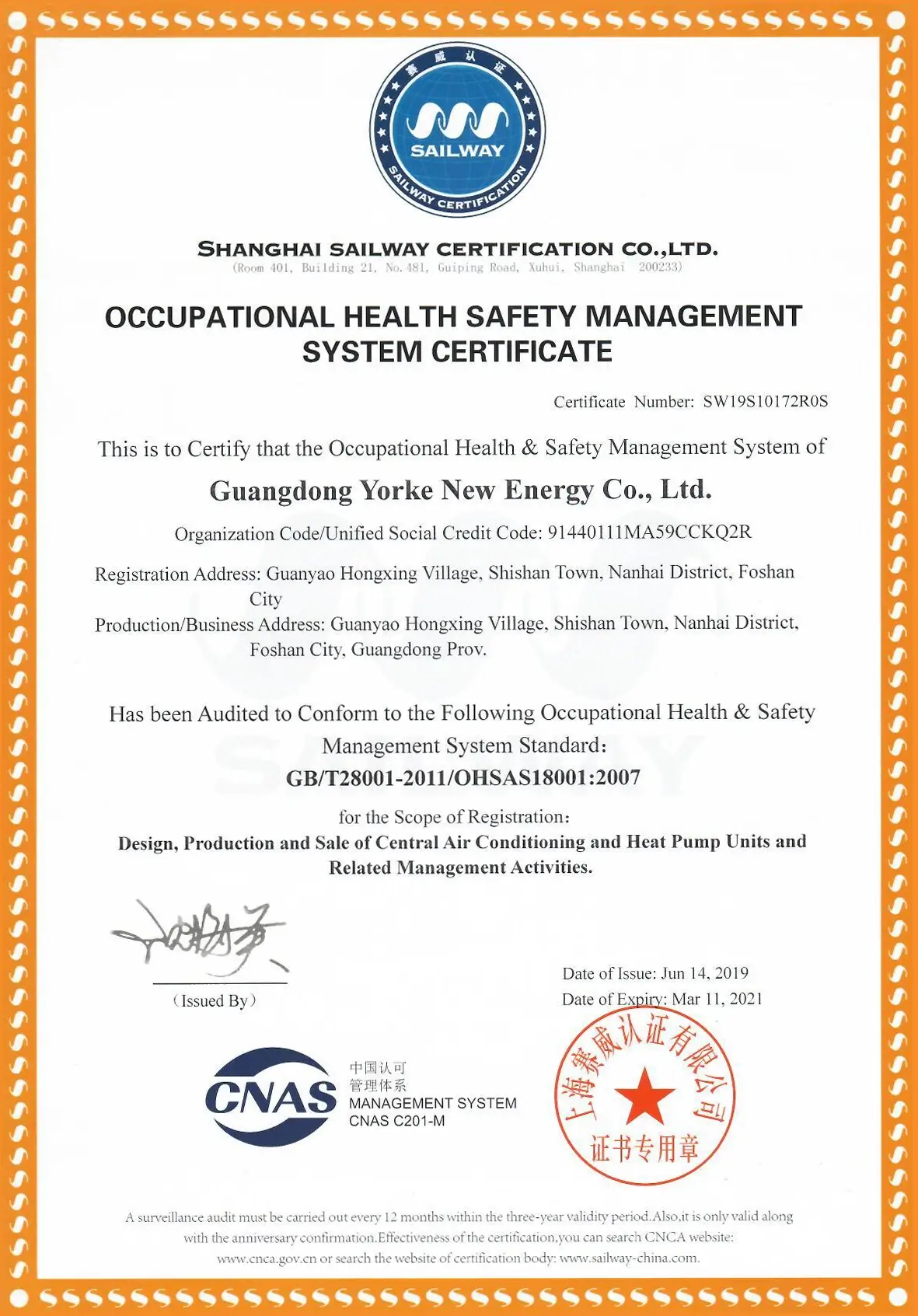
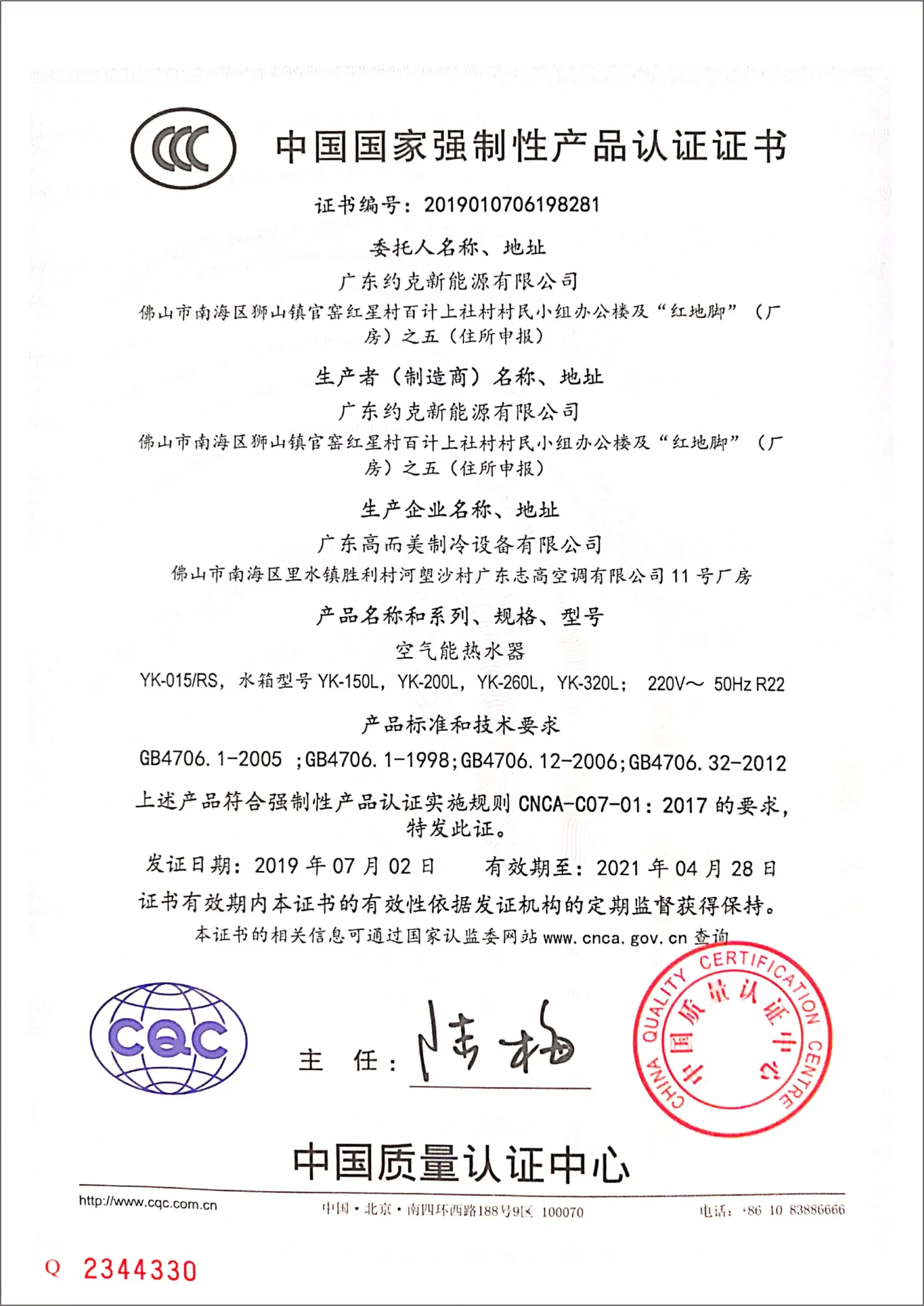
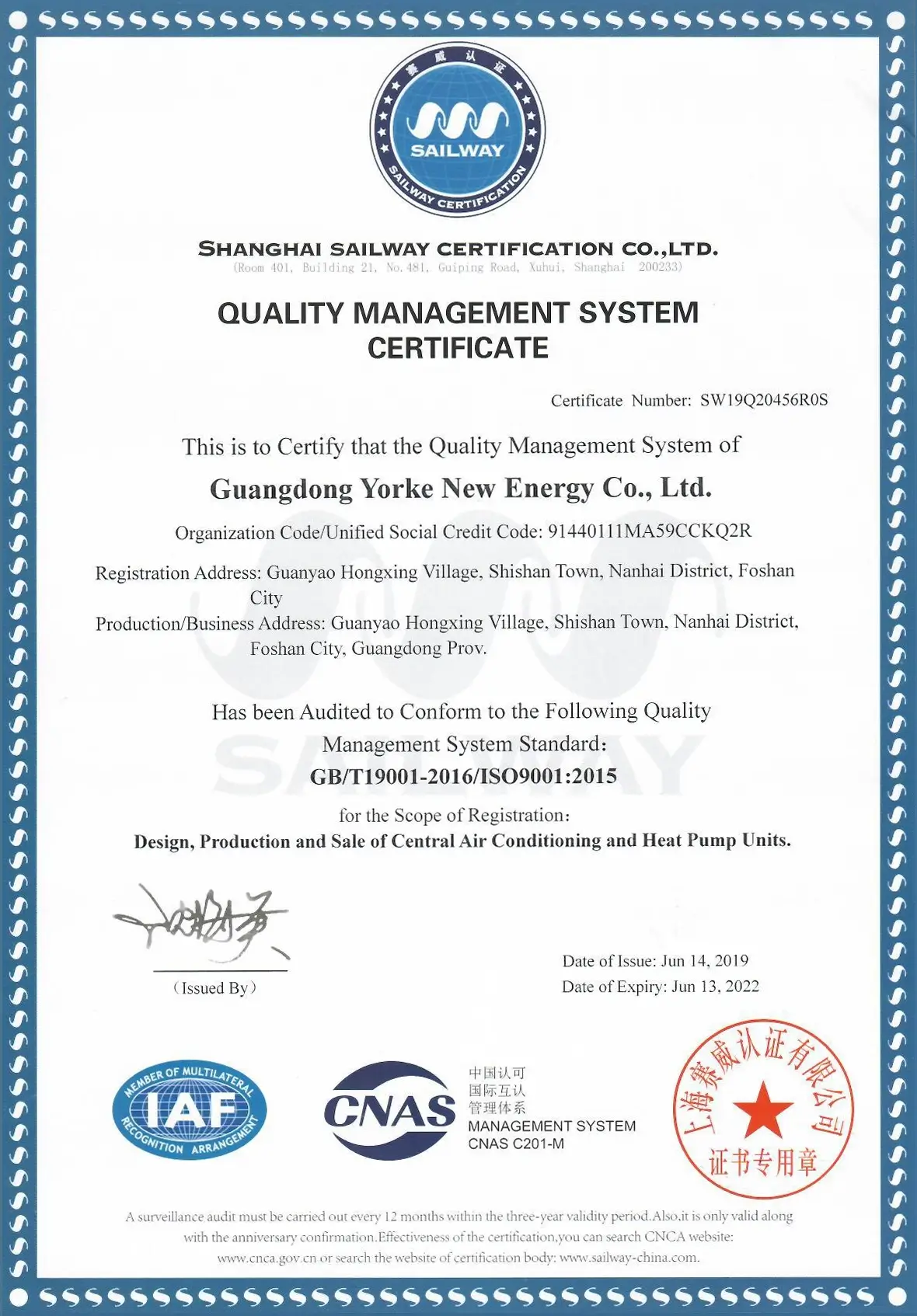
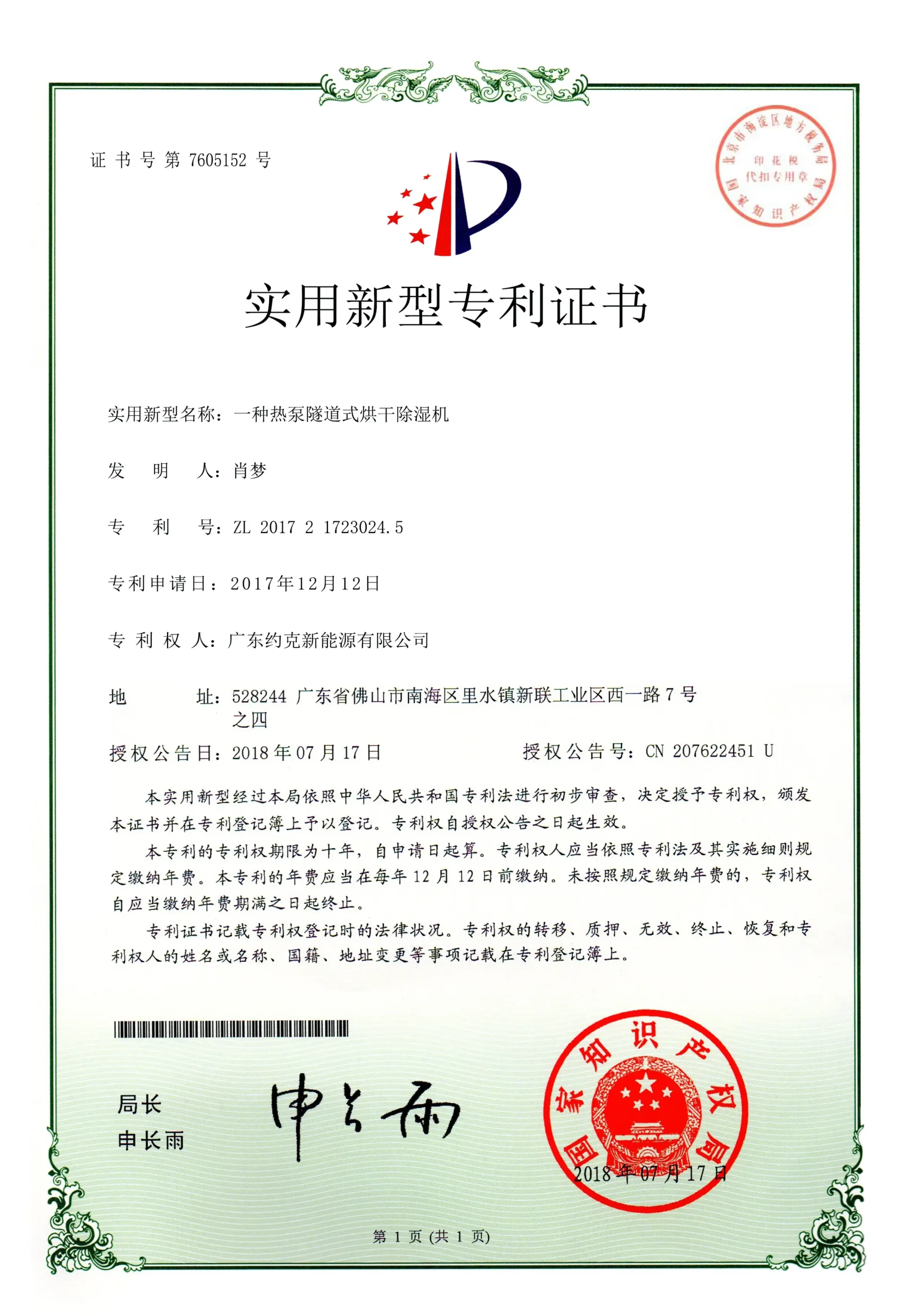
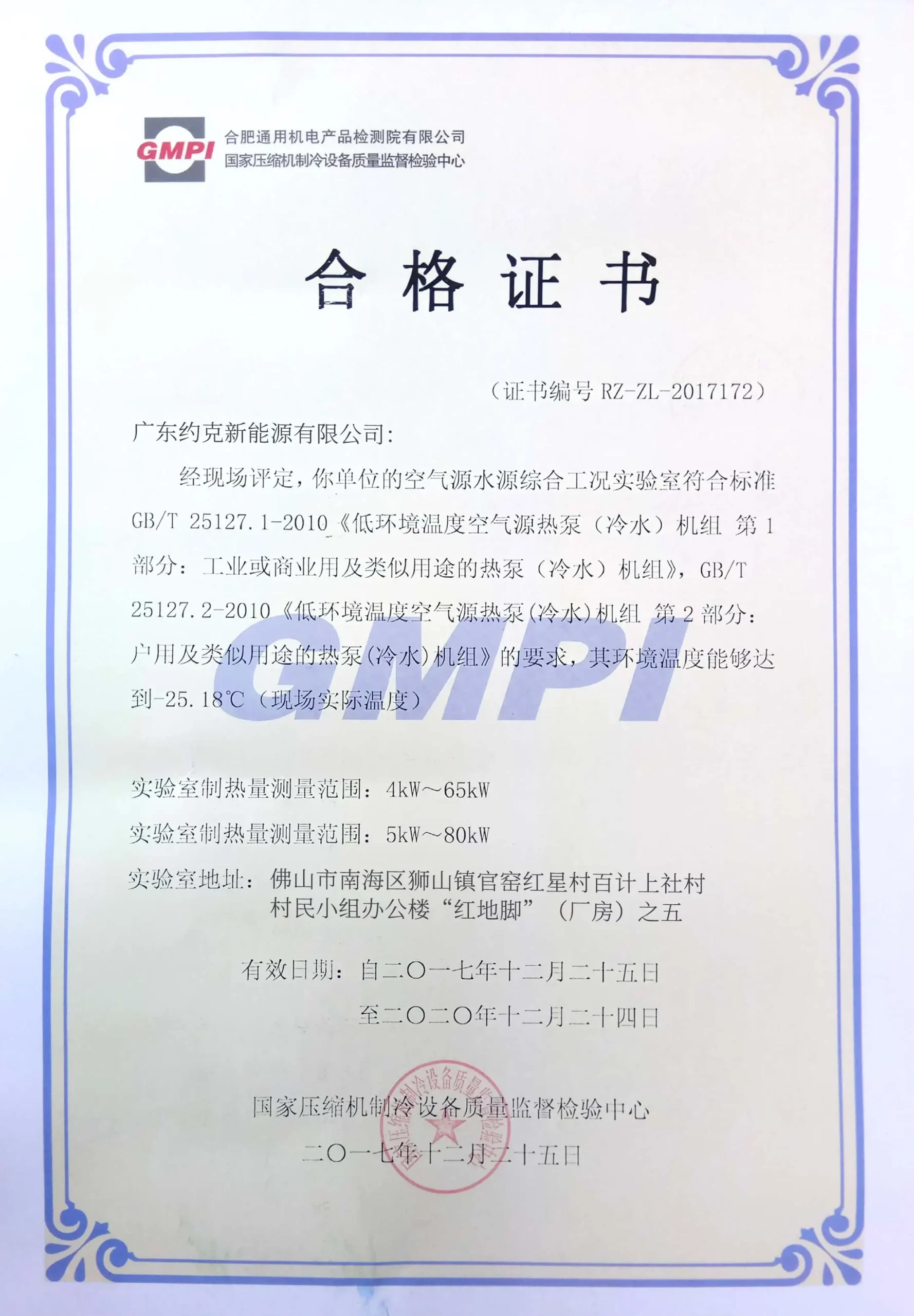
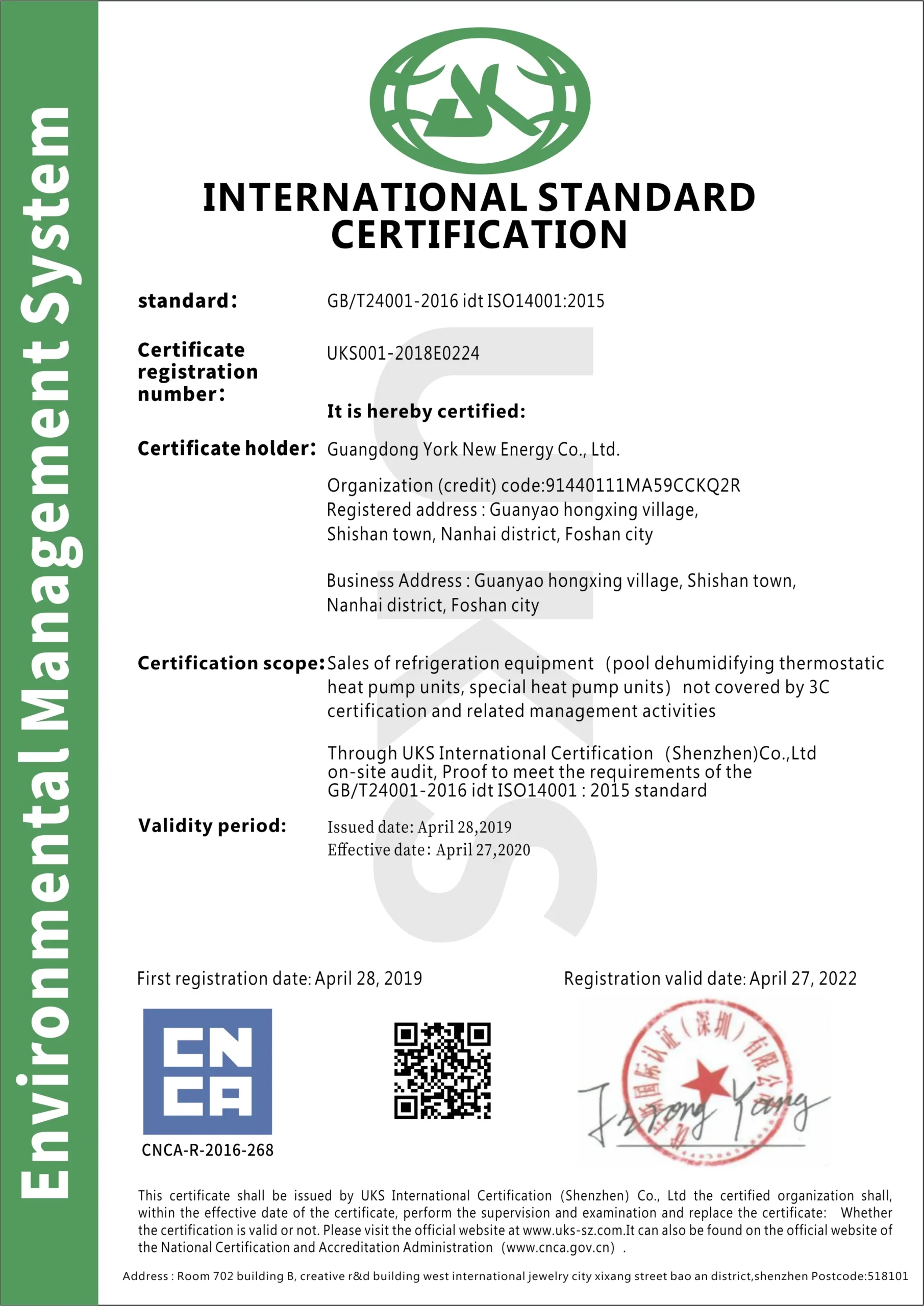
Globally Recognized Standards
Our Valued Certifications


FAQ
How does an air-to-water heat pump work?
An air-to-water heat pump extracts heat from the outside air—even in freezing temperatures—and transfers it to a liquid refrigerant. This refrigerant is compressed to increase its temperature, and the heat is then transferred to your home’s water circuit, providing central heating through radiators or underfloor heating, as well as your domestic hot water.
Will an air-to-water heat pump work in extremely cold climates?
Yes. Modern, high-efficiency air-to-water heat pumps are designed to operate effectively in temperatures as low as -25°C (-13°F). While their efficiency drops slightly in extreme cold, advanced inverter technology and enhanced vapor injection (EVI) compressors ensure they still produce reliable heat without freezing.
Can I use my existing radiators with a new heat pump?
In many cases, yes. However, because heat pumps operate at lower water temperatures (typically 35°C to 55°C) compared to traditional gas or oil boilers (70°C to 80°C), you may need to upgrade to larger radiators or “smart” radiators to achieve the same room temperature. They pair most efficiently with underfloor heating systems, which inherently require lower water temperatures.
Are air-to-water heat pumps cheaper to run than gas boilers?
Yes, they are highly energy-efficient. For every 1 kW of electricity consumed, an air-to-water heat pump can generate between 3 to 5 kW of heat (a Coefficient of Performance, or COP, of 3.0 to 5.0). This means they are up to 400% more efficient than the best condensing gas boilers, significantly lowering your long-term heating bills.
How noisy is the outdoor unit?
Modern air-to-water heat pumps are exceptionally quiet. Most top-tier models operate between 40 and 50 decibels (dB) at a short distance, which is roughly equivalent to a quiet library or a humming refrigerator. When installed correctly, the sound is rarely noticeable indoors and easily complies with residential noise regulations.
How long does a heat pump last, and what maintenance is required?
A well-maintained air-to-water heat pump will typically last 15 to 20 years. Maintenance is relatively simple but crucial for longevity. It requires an annual inspection by a certified technician to check refrigerant pressure, clean the outdoor evaporator coils, and ensure the antifreeze and water pumps are functioning correctly.