Key Takeaways
- Always turn off the power before performing maintenance on your ductless heat pump to ensure safety and prevent damage.
- Regularly clean air filters every 2 to 4 weeks to maintain efficiency and improve indoor air quality.
- Keep the outdoor unit clear of debris to ensure proper airflow and prevent performance issues.
- Schedule professional maintenance at least once a year to catch hidden problems and extend the lifespan of your heat pump.
- Combine DIY maintenance with professional service to reduce energy costs and enhance system reliability.
Heat pump maintenance basics
Safety first: turn off power
Before opening your indoor unit or cleaning the outdoor condenser, always turn off the power at the circuit breaker or disconnect box. This simple but crucial step protects you from electrical hazards and prevents accidental short circuits that could damage the system’s control board. Once the power is safely secured, you can begin your maintenance routine.
Tip: Locate the circuit breaker or disconnect switch for your heat pump before cleaning or opening the unit.
Tools and supplies needed
Mini split maintenance does not require specialized tools. Most homeowners already have what they need. Here is a list of basic supplies:
- Vacuum with brush attachment
- Mild soap
- Soft brush
- Damp cloth
These tools help remove dust, dirt, and debris from both indoor and outdoor units. Manufacturers recommend cleaning the outdoor unit, checking for leaks, and clearing the drainage system as part of routine mini split maintenance. Using the right tools prevents damage and keeps your system running smoothly.
Why regular maintenance matters
Routine upkeep keeps your system running efficiently and reliably. A little proactive attention prevents minor issues from snowballing into major repairs. Neglected units often struggle to maintain temperature, drawing more electricity to do the same job. By simply washing the filters and keeping the coils clear, you not only extend the equipment’s lifespan but also protect your home’s indoor air quality. Plus, many manufacturers require proof of annual servicing to keep your warranty valid.
Clean mini split filters and indoor unit
How to clean mini split filters
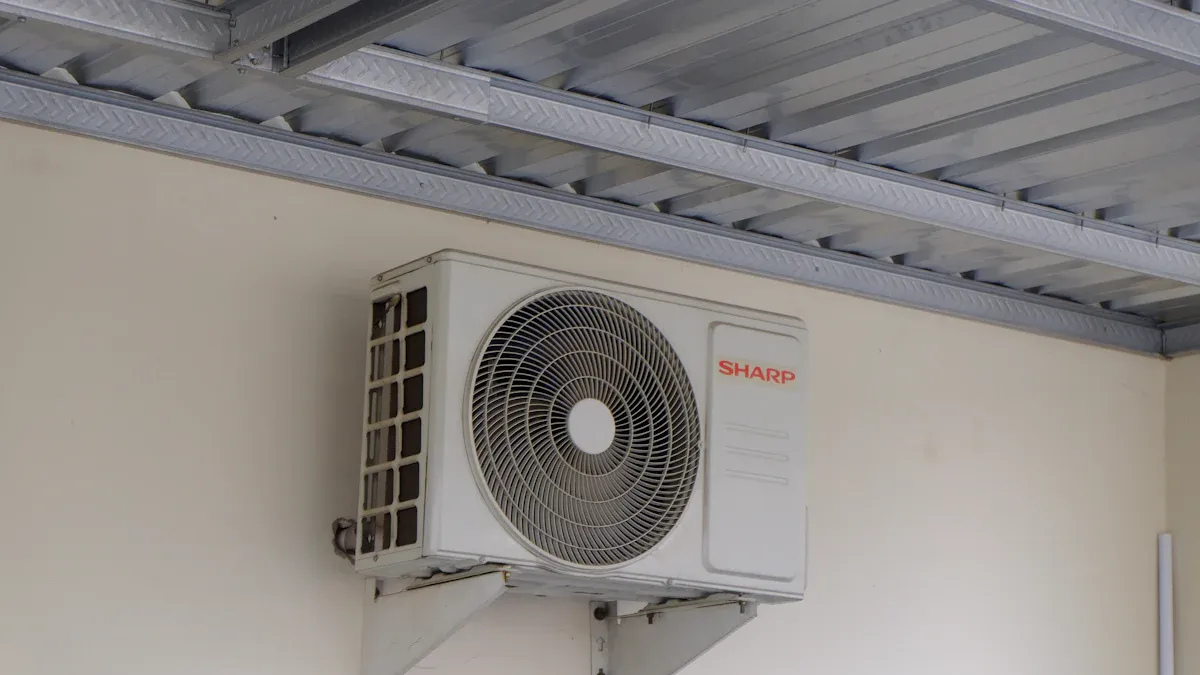
Regular cleaning air filters is one of the most important steps for keeping your ductless heat pump efficient. Follow these steps to clean mini split filters safely and effectively:
- Turn off the heat pump at the circuit breaker or disconnect switch.
- Open the front cover of the indoor unit. Most covers lift up easily.
- Remove the filters by gently sliding them out.
- Use a vacuum with a brush attachment to remove loose dust from the front side of each filter.
- If the filters feel sticky or look stained, wash them with mild soap and a soft brush. Rinse with clean water until all soap is gone.
- Shake off excess water and let the filters dry completely in a shaded area. Do not reinstall wet filters.
- Carefully slide the dry filters back into place. Avoid touching the metal fins inside the unit.
- Close the cover and turn the heat pump back on.
Tip: Never use harsh chemicals or hot water on the filters. These can damage the filter material.
When to clean and signs you need it
How often should you clean the filters? The answer depends on your home environment and usage. Most manufacturers recommend cleaning every 2 to 4 weeks for best results. Homes with pets, allergies, or high pollen levels may need more frequent cleaning.
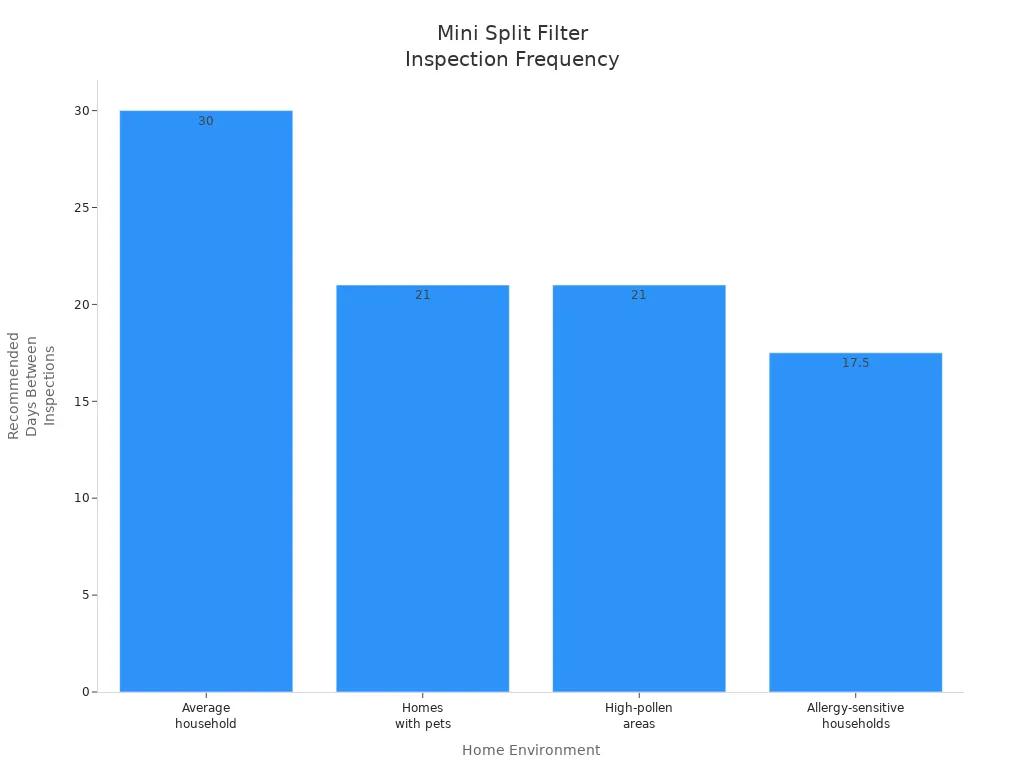
Here is a quick reference table for inspection frequency:
| Home Environment | Recommended Inspection Frequency |
|---|---|
| Average household | Every 30 days |
| Homes with pets | Every 2–4 weeks |
| High-pollen areas | Every 2–4 weeks |
| Allergy-sensitive households | Every 2–3 weeks |
You should also check for these signs that indicate immediate cleaning is needed:
- Weak airflow from the indoor unit
- Visible dust or gray discoloration on the filter
- Unpleasant odors, such as smoke or mustiness, when the unit runs
- Longer run times without reaching the set temperature
- Higher energy bills than usual
- Scratchy throats, watery eyes, or other allergy symptoms
- Dust buildup on the unit’s exterior vents
If you notice any of these, clean the filters right away to restore performance and air quality.
Wipe down the indoor unit
Keeping the exterior of your indoor unit clean helps prevent dust from entering the system. Use a dry or slightly damp cloth to wipe the cabinet and vents. For stubborn dirt, a small vacuum with a brush attachment works well. Always make sure the power is off before cleaning the unit.
Check and clear the condensate drain line
While in cooling mode, your mini-split pulls moisture from the air. This condensation collects in a drain pan and flows outside through a small tube. Over time, algae, mold, or dust can clog this line, causing water to back up and drip down your interior walls.
- Quick fix: Periodically inspect the end of the drain tube outside. If you suspect a clog, pouring a half-cup of white vinegar followed by warm water down the indoor drain pan can help dissolve the sludge and keep the line flowing freely.
Note: Regular cleaning of both the filters and the indoor unit improves energy efficiency, prevents wear and tear, and extends the life of your ductless heat pump.
A clean system not only works better but also keeps your indoor air fresh and healthy. Make cleaning air filters and wiping down the unit a regular part of your home maintenance routine.
Ductless system maintenance: outdoor unit care
Clear debris and ensure airflow
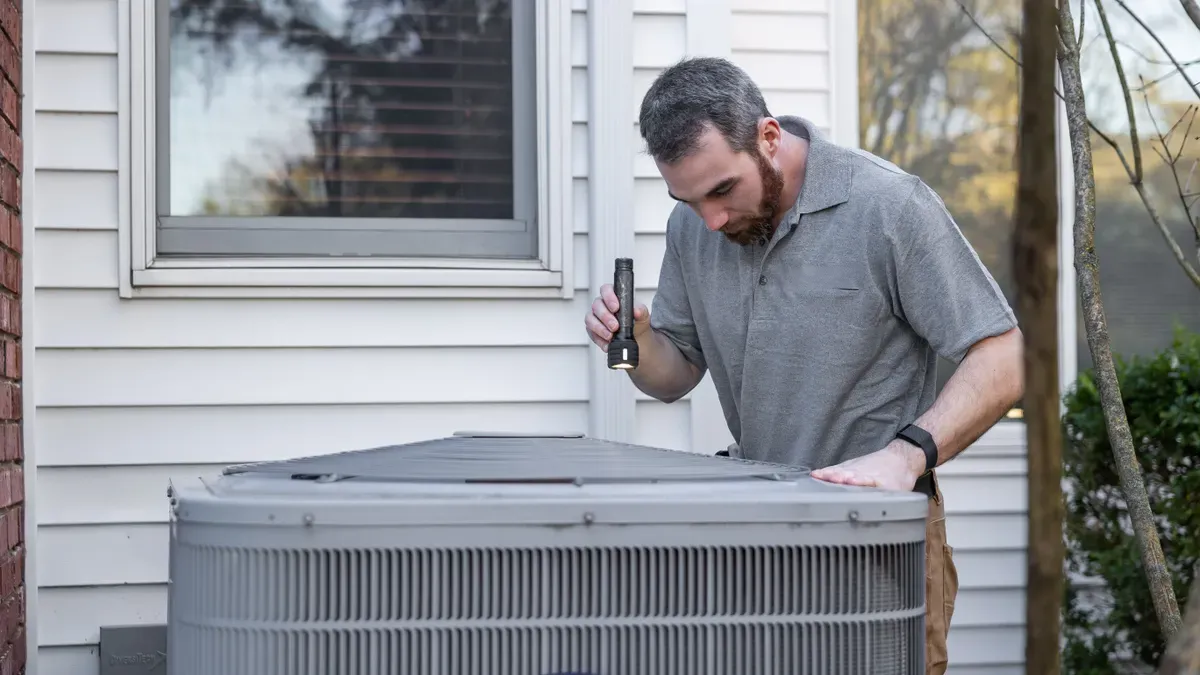
Outdoor units need open space to work efficiently. Leaves, grass, and dirt can block airflow and reduce performance. Follow these steps for proper ductless system maintenance:
- Turn off the power to the outdoor unit before starting any cleaning.
- Remove leaves, twigs, and grass from around the unit. Trim plants to keep at least two feet of space clear.
- Use a soft brush or vacuum to gently clean the exterior and fins. Avoid bending the fins.
- Check that the unit sits level and has good drainage. Water pooling can cause damage.
- Never use a pressure washer or harsh chemicals to clean the condenser. These can harm the system.
- Keep the area tidy to prevent debris from building up again.
Tip: Regularly clearing debris helps maintain airflow and keeps your ductless mini split running smoothly. Neglecting this step can lead to higher energy use and a larger environmental footprint.
Inspect and clean outdoor coils
Outdoor coils collect dust and dirt over time. Dirty coils make the ductless mini split work harder and use more energy. Homeowners should inspect and clean coils at least once a year. In humid or dusty areas, check every six months. Use a soft brush or vacuum to clean coils gently. If you notice mold or stubborn dirt, consider calling a professional for deep cleaning. Clean coils help your system stay efficient and last longer.
Seasonal mini split maintenance tips
Weather changes affect how you care for your outdoor unit. In winter, turn off the power and check for snow or ice buildup. Clear snow to keep airflow open. Adjust temperature settings to reduce strain. In spring, restore power and check the drain line for clogs. Schedule a professional tune-up before summer. Always install the outdoor unit above snow height in cold climates. Routine indoor and outdoor care helps your ductless mini split handle different weather and keeps it reliable all year.
Understand the winter “Defrost Cycle”
If you notice a light layer of frost on your outdoor unit or see it blowing white steam during cold months, don’t panic! This is the system’s normal “defrost cycle” kicking in to melt away ice.
- Warning: Never use hard tools, ice picks, or hot water to manually remove ice. You can easily puncture the delicate aluminum fins, which leads to immediate refrigerant leaks and expensive repairs. Just let the system do its job.
Annual ductless mini split maintenance by professionals
Annual ductless mini split maintenance by professionals is essential for keeping your system efficient and reliable. While homeowners can handle basic cleaning, a trained technician performs a much deeper inspection and cleaning. This level of ductless system service helps prevent hidden problems and extends the life of your equipment.
What professionals check and clean
During a professional annual maintenance visit, technicians complete a thorough system check and address issues that are not visible to the untrained eye. Here are some of the key tasks performed:
- Deep cleaning of evaporator and condenser coils to remove mold, dust, and buildup
- Inspection and cleaning or replacement of air filters based on system needs
- Checking refrigerant levels and looking for leaks that can reduce efficiency
- Tightening electrical connections to prevent hazards or failures
- Testing system operation, including controls and safety features
- Examining the blower and fan for proper airflow and wear
- Applying treatments to coils to discourage future biological growth
- Confirming proper drainage and checking for clogs
Note: Professional ductless system service also includes testing electrical capacitors and using digital gauges to check refrigerant charge. These steps help prevent compressor damage and ensure your system runs at peak performance.
Common issues found during these visits include refrigerant leaks, sensor failures, and increased energy usage due to hidden problems. Technicians can identify and fix these before they lead to costly repairs.
How often to schedule service
Most experts recommend scheduling ductless system service at least once a year. For homes that use their systems for both heating and cooling, two visits per year—one in spring and one in fall—provide the best protection. Regular professional annual maintenance includes coil cleaning, refrigerant checks, drain clearing, and electrical inspections. This routine keeps your ductless mini split maintenance on track and helps avoid unexpected breakdowns.
A professional visit ensures your system is safe, efficient, and ready for every season.
Routine maintenance improves efficiency and extends the life of ductless heat pumps. Homeowners who clean filters and coils regularly can prevent wasted energy and costly repairs. A well-maintained heat pump may last up to 20 years. Setting reminders for seasonal tasks helps keep maintenance on track:
| Season | Key Action | Purpose |
|---|---|---|
| Spring | Clear vegetation and schedule a professional tune-up. | Helps homeowners plan ahead for maintenance |
| Summer | Wash indoor filters every 2-4 weeks; check the drain line for clogs. | Maintains indoor air quality and prevents water leaks during high humidity. |
| Fall | Remove fallen leaves or debris trapped in the outdoor condenser grill. | Prevents fan motor damage and airflow blockages before winter heating begins. |
| Winter | Keep the unit clear of snowdrifts; monitor the defrost cycle. | Allows the heat pump to efficiently extract ambient heat without freezing over. |
Combining DIY care with annual professional service reduces electricity use and keeps your system reliable.
FAQ
How often should I clean my ductless heat pump filters?
Most manufacturers recommend cleaning filters every 2 to 4 weeks. Homes with pets or allergies may need more frequent cleaning. Regular filter care keeps your system efficient and your indoor air clean.
Can I use any cleaner on my mini split filters?
Use only mild soap and water. Harsh chemicals or hot water can damage filter material. Always let filters dry completely before reinstalling.
What are signs my ductless heat pump needs maintenance?
- Weak airflow
- Unusual noises
- Higher energy bills
- Musty odors
If you notice any of these, check your filters and schedule maintenance soon.
Is professional maintenance really necessary?
Yes. Professionals check refrigerant levels, electrical connections, and deep-clean coils. They spot hidden problems that homeowners may miss. Annual service helps prevent breakdowns and keeps your warranty valid.