Key Takeaways
- HVAC means heating, ventilation, and air conditioning. It helps keep your home comfy by changing the temperature and cleaning the air.
- Taking care of your HVAC system, like changing filters, can save energy. It can also stop expensive repairs from happening.
- Knowing about your HVAC system can make the air inside better. This makes it healthier and nicer to breathe.
What Is HVAC and What Does HVAC Stand For
HVAC Meaning and Definition
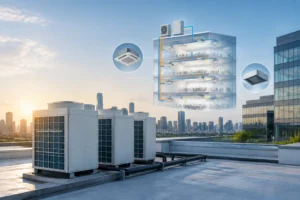
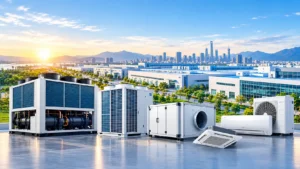
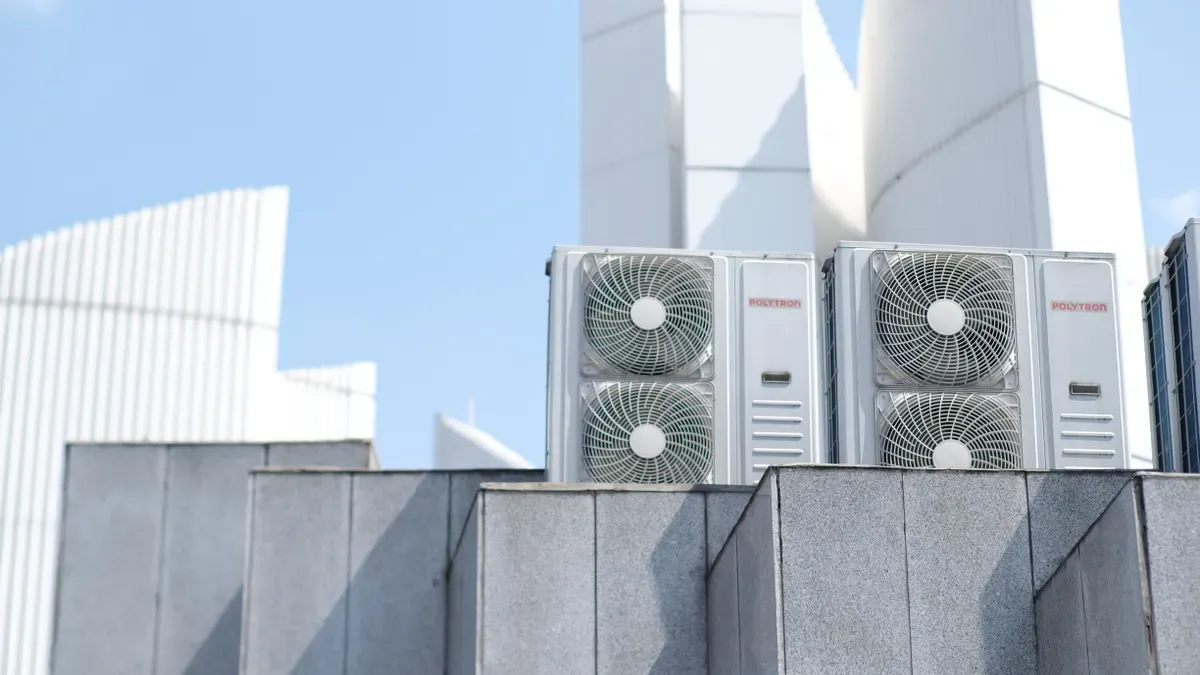
HVAC stands for heating, ventilation, and air conditioning. The hvac meaning comes from the three main parts of the system. Each part works together to control the climate inside a building. An HVAC system is the complete system that manages indoor temperature, airflow, and air quality. Unlike a standalone air conditioner, HVAC can provide heating, cooling, and ventilation throughout a building. According to industry standards, hvac is a system designed to control indoor climate. It manages temperature, airflow, and air quality. This helps make sure people feel comfortable and stay healthy indoors.
The answer to what does hvac stand for is simple. It stands for heating, ventilation, and air conditioning. These three parts form the core of every hvac system. When you hear someone talk about what is hvac, they are talking about a system that can heat, cool, and move air inside a building. This system also helps clean the air by removing dust and other particles.
Purpose of HVAC Systems
The main purpose of an hvac system is to create a comfortable and healthy indoor environment. When you ask what is hvac, you are asking about a system that does more than just heat or cool a space. It also controls humidity and filters the air. This means it can help reduce allergens and keep the air fresh.
HVAC systems have several important jobs:
- Heating: Generates and distributes warmth to maintain a stable indoor temperature during colder months..
- Cooling: Extracts indoor heat and lowers humidity to provide thermal relief in summer.
- Ventilation: Facilitates air exchange to prevent stagnant air, manage moisture levels, and exhaust indoor pollutants.
- They filter out dust, pollen, and other particles to improve air quality.
- They control humidity to prevent mold and keep the air feeling just right.
Note: An hvac system is not just one machine. It is a group of parts that work together. These parts include a thermostat, furnace, air conditioner, heat pump, air handler, and air ducts. Each part has a special job. The thermostat controls when the system turns on or off. The furnace heats the air. The air conditioner cools the air. The heat pump can do both. The air handler moves the air, and the ducts carry it to every room.
When you look at what is hvac, you see a complete climate control system. It does more than just change the temperature. It also helps control humidity and remove harmful particles from the air. HVAC systems are important for homes, schools, offices, and even cars. They help people feel comfortable and stay healthy all year long.
HVAC Components and Operation
Main HVAC System Parts
An hvac system has several important parts that work together to keep your home comfortable. Here are the most common components found in residential hvac:
- Main unit: This is the central part of the hvac system.
- Thermostat: It senses the temperature and tells the system when to turn on or off.
- Air handler: This part moves air throughout the house.
- Evaporator coil: It cools the air as it passes through.
- Condenser coil: It releases heat outside.
- Heat exchanger: It warms the air during cold weather.
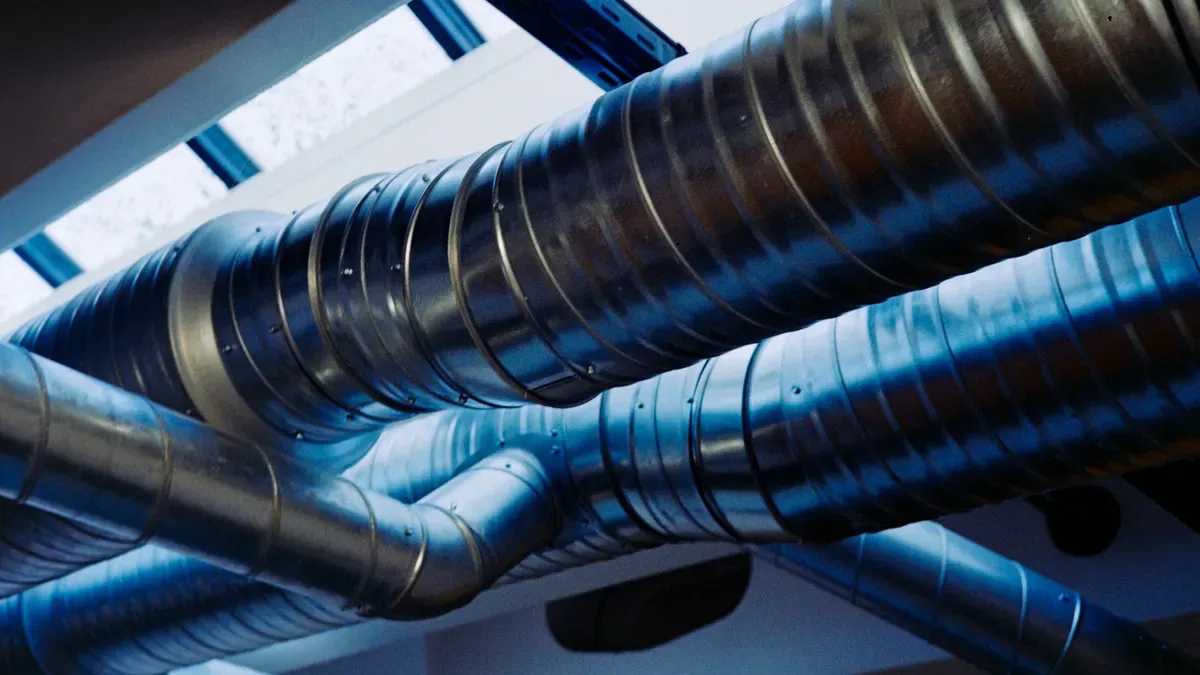
- Ductwork: These are the tubes that carry air to different rooms.
Air filters are also a key part of any hvac system. They trap dust, pollen, and other particles, which helps improve indoor air quality and keeps the system running smoothly.
How HVAC Systems Work
The hvac system starts when the thermostat senses a change in temperature. The system pulls air from inside the house through return ducts. The air passes through filters to remove dust and allergens. If cooling is needed, the air moves over the evaporator coil, where it gets cooled. The cooled air then travels through the ductwork and back into the rooms.
Ventilation is another important job for an hvac system. It brings in fresh air and removes stale air, which helps control humidity and keeps the air feeling fresh. In winter, the heat exchanger warms the air before it goes into the rooms. The condenser coil and evaporator coil work together to move heat out of the house during summer.
Tip: Regular maintenance, like changing filters and cleaning ducts, helps your hvac system last longer and work better.
A well-maintained hvac system can last 15 to 25 years and keeps your home comfortable in every season.
HVAC Types and Benefits
Types of HVAC Systems
There are a few main types of hvac systems for homes and businesses. Each one is made for a special reason. Here are the most common types:
- Split system: This hvac system has two units, one outside and one inside. Many people use it in their homes because it saves energy and is flexible.
- Packaged system: All the parts are together in one box. It is usually put outside or on the roof. This hvac system is often used in small business buildings and is simple to set up.
- Ductless Mini-Split & VRF Systems: Modern systems like ductless mini-splits and VRFs are engineered for low power consumption. By eliminating ductwork energy losses and dynamically adjusting refrigerant flow to specific zones, they provide highly efficient climate control while keeping operational costs down.
- Geothermal system: This hvac system uses the earth’s heat to warm or cool. It is very good at saving energy but needs more space and costs more at first.
Note: Ductless hvac systems can use half as much energy as regular ducted systems. They also let you control the temperature in each room better.
Comfort and Efficiency Benefits
Modern hvac systems do more than just heat or cool. They help keep the air inside clean by using special filters that catch dust, pollen, and other things. Many hvac systems also use smart thermostats and parts that save energy. This means you pay less for energy and help the planet.
| Aspect | Benefit |
|---|---|
| Comfort | Keeps the temperature and humidity steady all year. |
| Air Quality | Takes out allergens and pollution for cleaner air inside. |
| Energy Efficiency | Uses less energy and saves money with smart tools. |
| Quiet Operation | Works quietly, so homes and offices are more peaceful. |
A good hvac system controls both heat and moisture. This stops mold and keeps the air fresh. Taking care of your hvac system also helps it save energy and last longer.
HVAC stands for heating, ventilation, and air conditioning. These systems help homes stay comfortable. They also keep the air clean. If homeowners know about their HVAC system, they can save energy. They can also save money. They can stop expensive repairs. They can make the air better to breathe.
- Save energy and money.
- Prevent costly repairs.
- Improve air quality.
- Good airflow and regular care keep homes comfy. They also help the system work well all year.
FAQ
Air conditioning is only one part of an HVAC system. HVAC includes heating, ventilation, and cooling, while AC only focuses on removing heat from indoor air.
Most HVAC systems last around 15 to 25 years depending on system type, maintenance, climate, and installation quality.
The cost depends on home size, equipment type, ductwork, and efficiency rating. A complete residential HVAC replacement usually costs several thousand dollars.
No. Ductless mini-split systems can provide heating and cooling without traditional air ducts.
Most hvac filters need changing every one to three months. Clean filters help hvac systems run better and keep indoor air fresh.