This guide provides simple, actionable steps for understanding air heat source systems. You will learn about proper equipment sizing and discover ways to maximize your savings through rebates and quality installation.
Key Takeaways
- New cold climate heat pumps pull heat from outside air.
- They keep homes warm down to -13°F.
- Stop using oil or standard electric heat now.
- Doing this cuts yearly home energy use by 40 percent.
- A variable-speed inverter compressor changes heating output on its own.
- This keeps indoor comfort steady and saves electricity.
- Federal IRA tax credits help pay for equipment.
- Local utility rebates also lower install costs a lot.
Understanding Air Heat Source Technology
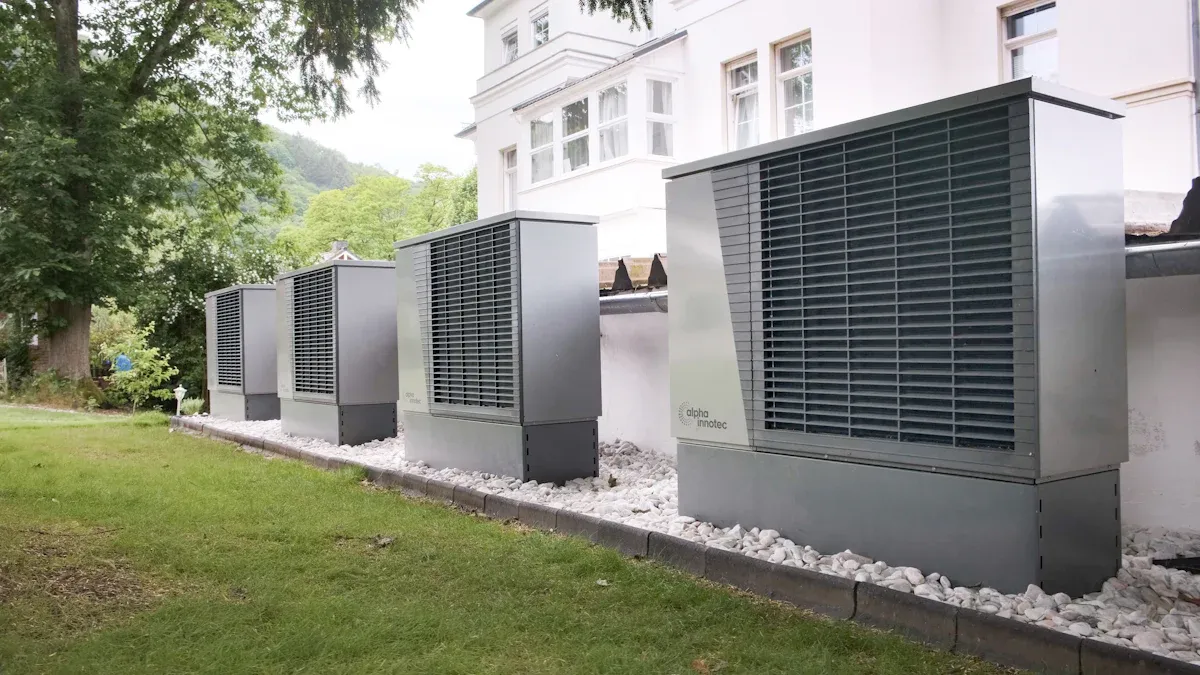
New air heat source systems give flexible climate control. Local weather guides your unit choice. These systems pull energy from outside air. They work well in extreme weather.
Principles of Heat Transfer in Sub-Zero Weather
Freezing outdoor air holds usable heat. Liquid refrigerant in air source heat pumps boils. It boils near -44°F. Furthermore, the HVAC industry is rapidly upgrading to eco-friendly refrigerants (like R-290 propane) that reduce emissions and boost heating efficiency. This liquid absorbs outdoor heat. The system compresses this gas. This process raises gas heat quickly.
Cold climate heat pump systems use smart compressors. They grab heat from cold air. They work below -5°F easily.
Special parts boost system efficiency:
- Enhanced Vapor Injection: It adds refrigerant for deep cold.
- Electronic Expansion Valves: They control liquid to shield parts.
- Sensors and Controls: They check performance and adapt flows.
Reversible Operation for Winter Heating and Summer Cooling
A reversing valve flips system directions. This part redirects refrigerant flow:
- Solenoid Activation: Electric power flips winter pathways.
- Pressure Differential Mechanism: Gas pressure moves inner valves.
- Refrigerant Rerouting: The valve sends hot gas inside.
In summer, the valve flips back. The indoor unit pulls room heat. The outdoor unit drops heat outside. This two-way system fits every cold climate.
Variable-Speed Inverter Compressors Explained
Unlike older units that constantly switch on and off at a single speed, variable-speed inverter compressors adjust their output continuously. By running at lower speeds when demand is light, they save power, keep room temperatures steady, and significantly cut electricity use all winter—a major advantage in extremely cold climates.
Cold Weather Performance & Limits

Operating Effectively Down to -13°F
It’s a common misconception that heat pumps can’t handle freezing climates. Today’s advanced units safely operate down to -13°F while maintaining 70% to 80% of their total heating capacity. They do not need quick back-up coils.
Old systems use electric heat in winter. Special cold climate heat pumps work better. They handle single-digit cold without back-up heat.
Smart design brings reliable heat all winter long.
Coefficient of Performance in Extreme Frost
Heat pump efficiency stays strong in cold weather. The COP score measures power output against input. At 0°F outside, new systems reach 2.0. They double the efficiency of electric heaters.
| Outdoor Temperature | Expected COP Range |
|---|---|
| 5°F | 1.8 – 2.3 |
| -13°F | 1.5 – 2.0 |
| -15°F | 1.3 – 1.8 |
This table shows performance numbers in severe cold. Each score proves systems keep making heat. They work great in any cold zone.
Defrost Cycles and Snow Management
Cold air holds moisture. Ice forms on outdoor coils during winter. To combat this, smart sensors monitor the coils every 30 to 90 minutes. The unit will briefly pause heating to melt the ice only when absolutely necessary, preventing unnecessary interruptions to your indoor comfort.
Good installation protects units during heavy snowstorms:
- Lift units above expected snow lines for air.
- Leave two feet of open space around bases.
- Keep units away from falling roof water.
Choosing a Cold Climate Heat Pump
Choose the right design for your home layout. Cold weather needs a strong setup.
Ducted vs. Ductless Mini-Split Systems
Pick a cold climate heat pump based on design. Home duct access matters a lot. Homes with ducts fit central units easily. Houses without ducts use mini-split wall units well.
| Technical Criterion | Ducted Heat Pump System | Ductless Mini-Split System |
|---|---|---|
| Infrastructure & Placement | Needs existing central ducts and air handlers. | Needs zero ducts and mounts on walls. |
| Installation Complexity | Requires complex central installation setup work. | Allows easy room-by-room system setups. |
| Air Distribution & Zoning | Moves central airflow through room vents. | Heats specific individual room zones directly. |
| Acoustic Performance | Keeps motor noise near central units. | Makes minor fan noise inside rooms. |
| Spatial Footprint | Takes up space for large ducts. | Saves duct space on inside walls. |
Smart picks bring great warmth to cold zones.
Performing Manual J Heat Loss Calculations
Start sizing with a home energy audit. Techs check total heat loss in winter. This picks effective air source heat pumps. ACCA Manual J rules check important items:
- Design Conditions: Local outdoor weather and cozy indoor targets.
- Building Envelope Assemblies: Glass windows, outer doors, walls, and ceilings.
- Air Exchange: Cold air leaks through house gaps.
- System & Internal Loads: Duct heat losses, air needs, and blowers.
- Environmental Factors: Winter humidity and moisture movement patterns.
Exact heat checks stop system short cycling in winter.
Following NEEP Best Practice Sizing Guidelines
NEEP offers helpful sizing rules for users. Old heating methods overestimate equipment capacity needs. A good cold climate heat pump meets peak cold needs safely. Do not oversize your heat unit.
- Check Low-Temp Heating Capacity: Test true heat output at 5°F outside.
- Select Variable Speed Units: Variable units match mild cold weather easily.
- Avoid Excessive Auxiliary Heat: Run systems without extra backup heat strips.
Good sizing brings total comfort to cold zones. Proper setups work great every single year.
Financial Impact and Energy Savings
Reducing Energy Consumption by Up to 40 Percent
A cold climate heat pump cuts energy use up to 40%. It drops bills for oil heating users fast. It helps electric resistance heat users save too. Efficiency stays strong through cold weather days. In fact, home owners save $1,000 yearly. They drop fuel oil or electric heaters. High efficiency keeps homes warm for less money.
Upfront System Equipment and Labor Costs
Buying a cold climate heat pump costs money. Install charges add to initial project fees. Prices depend on system size and ducts. Local worker rates change total setup fees.
| Expense Category | Typical Cost Range |
|---|---|
| Equipment Purchase | $3,000 – $7,000 |
| Professional Installation | $2,500 – $6,000 |
| Electrical Upgrades | $1,000 – $3,000 |
Financing options help pay start costs each month.
Tax Credits and IRA Incentive Navigation
Federal programs help pay energy upgrade costs. The IRA offers credits for these projects. It covers 30 percent of total costs. Combine local utility rebates with federal funding. This cuts cash costs for whole installations. Local programs add savings for cold areas. Smart plans trim project prices everywhere today. This protects homes through severe cold spells. It keeps indoor spaces warm all winter.
Heat Pumps vs. Traditional Furnaces
Old furnaces burn gas or oil to make warmth. A cold weather system shifts outside heat indoors instead. This key difference changes total performance and home savings.
Fuel Efficiency Comparison with Gas and Oil
Heat pumps provide superior output efficiency versus fuel systems. Fuel oil boilers run around 85% to 90% output. Heat pumps reach a 300% total output level.
| Heating System | Efficiency Level | Typical Annual Operating Cost | Impact of Fuel Prices |
|---|---|---|---|
| Air Source Heat Pump | 300% (COP) | ~$992 | Stable electric rates |
| Heating Oil Boiler | 85–90% | $960–$2,000+ | Volatile fuel price spikes |
Shifting fuel costs cause wild heating bills for families. Steady electric power brings lower predictable costs in winter.
Indoor Air Quality and Year-Round Comfort
Old heating units make harsh hot air bursts. Modern heat pumps blow smooth warm air streams. This constant flow boosts home comfort during cold spells.
Heat pumps skip indoor fuel burning completely. They remove carbon monoxide dangers to protect families.
Strong indoor filters trap small dust bits well. One setup heats winter rooms and cools summer spaces. This two-way system works in every cold region.
Maintenance Needs and System Lifespan
Routine checks keep cold climate gear running great. Homeowners should handle easy upkeep steps every year:
- Replace air filters often for smooth air movement.
- Keep two feet of open space around outside units.
- Check outdoor refrigerant lines for cold frost buildup.
Book expert tune-ups twice every single year. Good maintenance keeps your unit running up to 20 years.
Preparing for Heat Pump Installation
Careful steps ensure a smooth system setup process. Good plans give best efficiency in bad cold weather.
Evaluating Electrical Panel Capacity Requirements
Because cold climate heat pumps require a dedicated and robust electrical supply, older homes with 100-amp service panels usually require an upgrade before installation. An electrician must evaluate your panel first to ensure the heavy winter heat load won’t exceed your main breaker’s safety limits.
- Exceeding Main Breaker Rating: Total electric draws beat main breaker power safety limits.
- High Baseline Electrical Load: Running daily tools with heat units strains main power.
- Future Expansion Needs: Buying 200-amp panels leaves open space for car chargers.
Techs check power panels early during every project.
Selecting Qualified HVAC Contractors
Hiring a trained worker ensures safe equipment setup. Smart worker skills keep system power high always.
| Organization | Certification / Qualification | Relevant Skills / Coverage |
|---|---|---|
| NATE | Heat Pump Specialty | Tests true system setup skill levels. |
| EPA | Section 608 Certification | Grants legal authority for handling liquid refrigerants. |
| ACCA | Quality Installation (QI) | Guarantees top operational efficiency standards everywhere. |
Trained experts stop energy losses in cold regions.
Key Steps in the Installation Process
Upgrading home heating takes simple clear steps. Most jobs need one prep month and two install days.
- Project Initiation: Pick ideal equipment setups with project leaders.
- Planning: Order a cold climate heat pump and book crews.
- Installation Execution: Set up equipment and run refrigeration pipes.
- Post Installation Testing: Test airflow and show owners new heat controls.
- Financial Processing: Submit local rebate forms to save cash fast.
This easy plan guards your total project cash.
An air heat source unit cuts your bills.
A cold climate heat pump keeps you warm.
Check these quick steps before you start:
- Home energy assessment: Fix leaks and add wall insulation.
- Load calculation: Use Manual J to size gear right.
- Incentive check: Find local rebates to cut costs.
Good setup keeps your system running well.
Ask a pro to pick your cold climate heat pump.
Finish your air heat source setup today.
FAQ
How do cold climate heat pumps extract heat from freezing air?
Even freezing air contains thermal energy. The liquid refrigerant inside the outdoor unit has an extremely low boiling point. As it absorbs the cold outside air, it boils into a gas. The system’s compressor then squeezes this gas, dramatically increasing its temperature before blowing that warmth into your home.
Do heat pumps require a backup furnace during winter?
New cold weather units work down to -13°F alone.
Some owners keep backup heaters for extreme cold. Good sizing removes any need for extra heat.
How much energy money can a heat pump save?
Replacing oil or electric heat saves 40 percent. Many homes save about $1,000 every year. Total savings rely on local rates and home insulation.
What simple maintenance steps keep the outdoor unit running?
Homeowners keep units running with three quick steps:
- Swap air filters every few months.
- Clear deep snow off outside units.
- Book professional tune-ups twice a year.