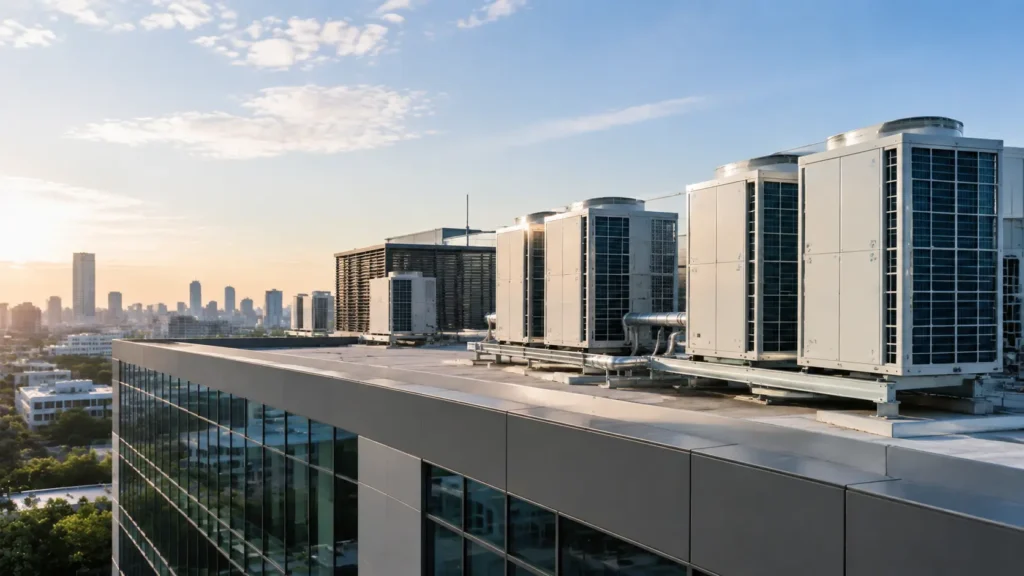
VRF Heat Pump vs Heat Recovery: Which One Does Your Building Actually Need?
Picture a commercial building on a mild spring day. The north side needs heating. The south side needs cooling. One system cannot do both at once.


Picture a commercial building on a mild spring day. The north side needs heating. The south side needs cooling. One system cannot do both at once.
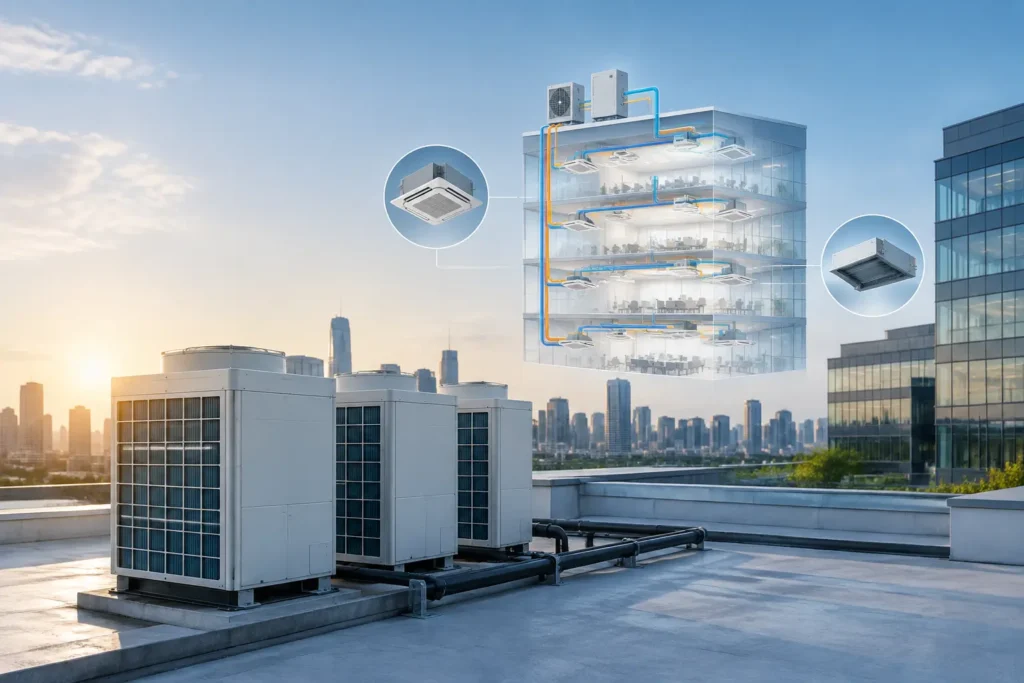
VRF system sizing starts with the building load, not the equipment catalog. A commercial VRF system should be selected after the design team has established room-by-room heating and cooling loads, operating conditions, ventilation requirements, and the expected diversity between zones. The selected indoor and outdoor units must then be checked against the manufacturer’s performance data, piping limits, elevation differences, and operating conditions.
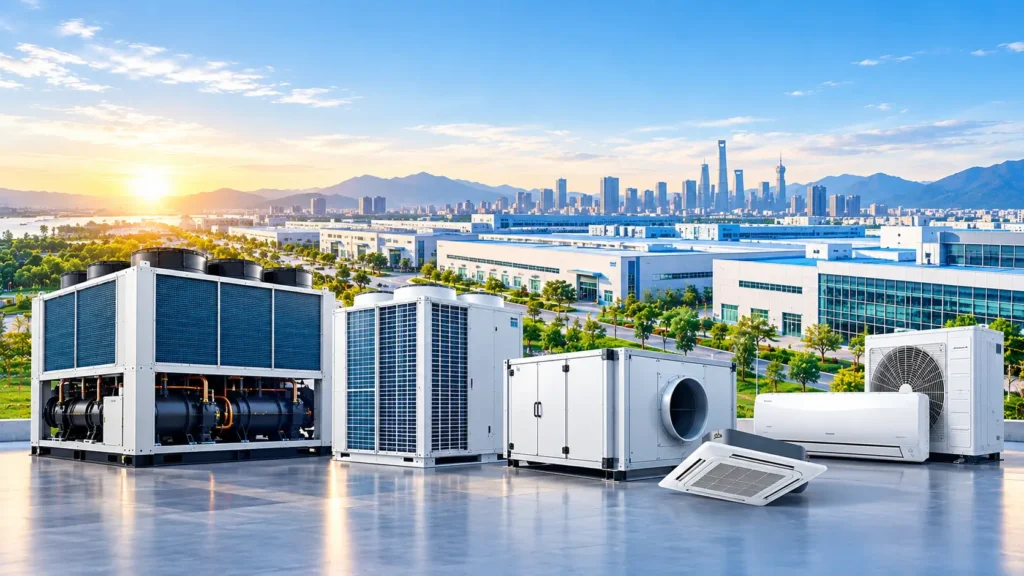
China dominates global HVAC manufacturing. The industry’s 2024 production value reached an estimated USD 51.17 billion according to Grand View
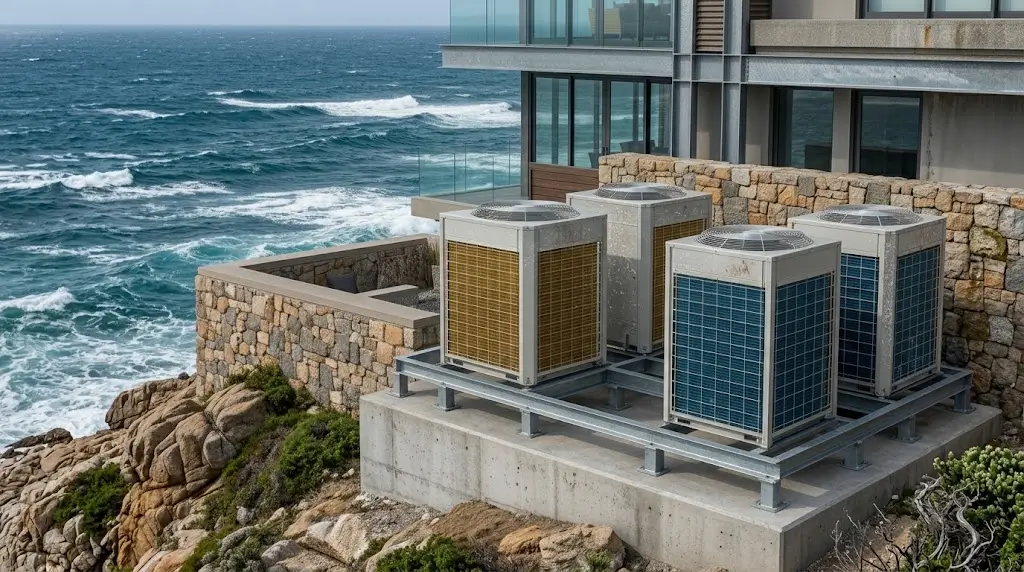
How do you choose an HVAC system that survives these coastal conditions? What protection measures can extend its life? This HVAC selection guide offers practical answers. We will compare coastal HVAC options, discuss installation best practices, and review proven corrosion protection solutions.
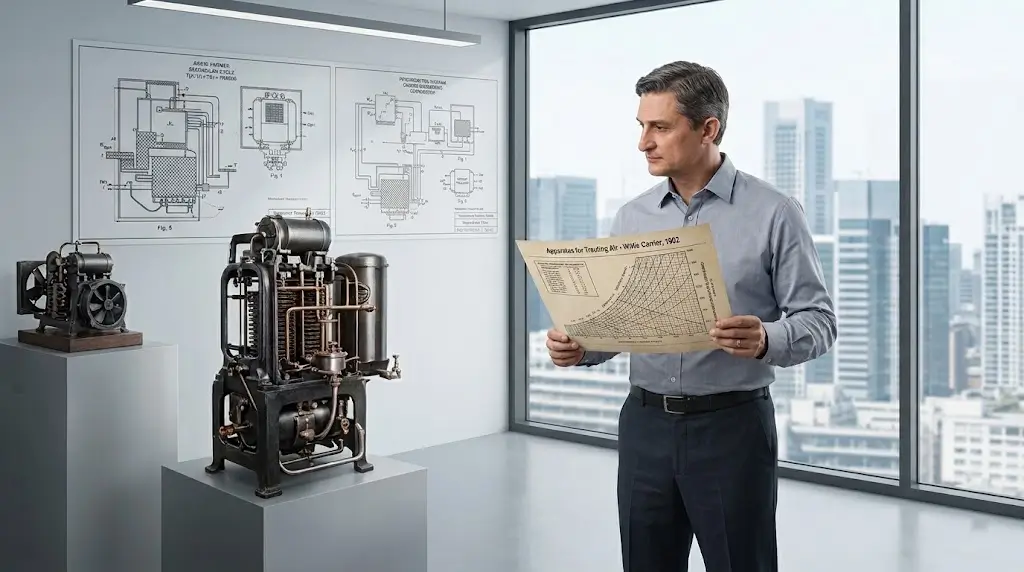
Modern HVAC technology evolved through cumulative inventions by Dr. John Gorrie, Willis Carrier, Alice Parker, Frederick McKinley Jones, and David Crosthwait.The invention of modern air conditioning wasn’t a single “eureka” moment by one individual, but a century-long accumulation of engineering breakthroughs. Early innovators converted basic thermodynamics principles into functional mechanical refrigeration, natural gas furnaces, and zoned ventilation systems. These visionaries transformed theoretical physics into reliable building climate control. According to the U.S. Department of Energy, heating and cooling account for around 35% of all energy consumption in buildings today. Sequential breakthroughs in steam heating, air movement, and transport cooling ultimately established our modern indoor comfort.
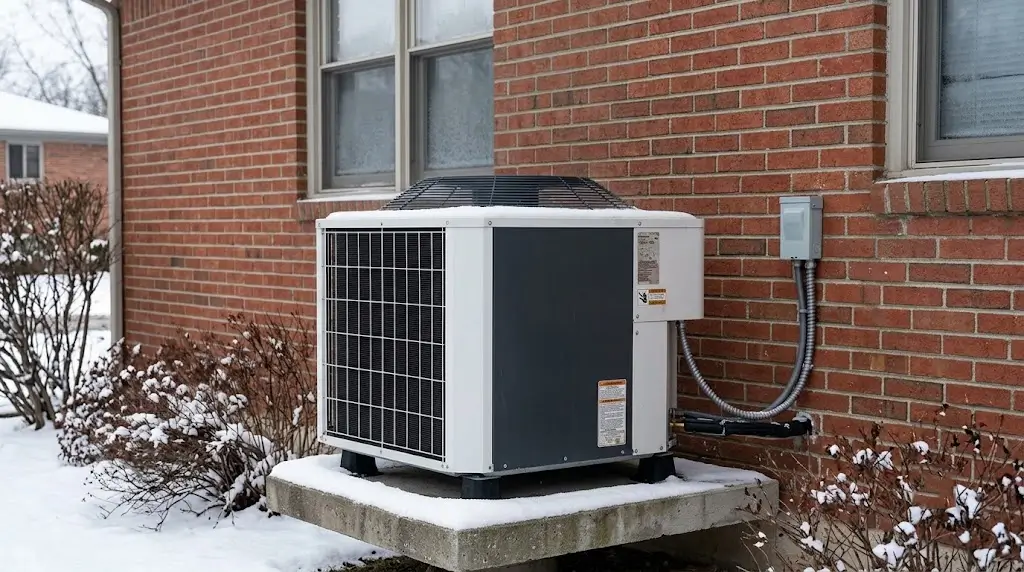
Modern cold climate heat pumps are changing how we keep our homes warm, even in freezing weather. Designed to handle temperatures as low as -13°F, these systems efficiently pull warmth from the outdoor air. Because they can reverse their operation in the summer to act as an air conditioner, an increasing number of homeowners in colder regions are making the switch.

Here are the top 12 ducted mini split systems for your home or office: Ducted mini split systems are becoming
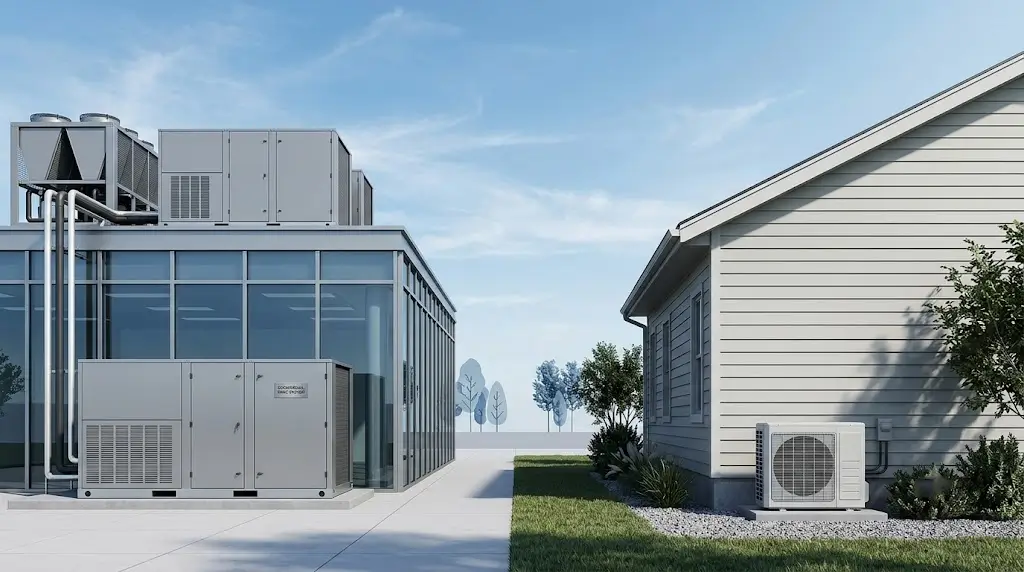
Whether you are a homeowner upgrading your living space or a developer outfitting a large commercial property, choosing the right climate control system is critical. While commercial HVAC systems are built to handle the complex demands of large offices and stores, residential HVAC focuses on delivering consistent comfort for homes, with their key differences lying in scale, advanced features, and energy priorities.
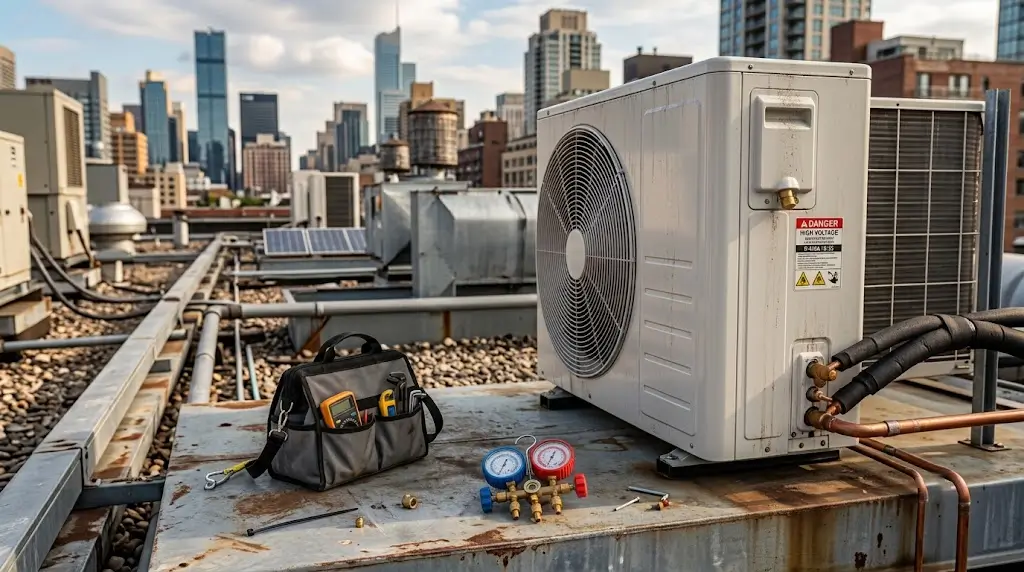
R32 refrigerant stands out as the recommended choice for air conditioning in 2026. Studies show this modern cooling gas has a Global Warming Potential (GWP) of 675, much lower than R-410A’s 2088. It delivers equal or better cooling efficiency while using less energy. The air conditioning industry is rapidly adopting the newer standard because upcoming regulations strictly limit high-GWP alternatives. Factors like safety, maintenance costs, and system compatibility also play important roles in this shift.
This gas reduces environmental impact compared to older blends and provides superior thermodynamic performance. Comparing their chemical properties reveals exactly why R-410A is being phased out by global agreements and why upgrading is a smart move for property owners.
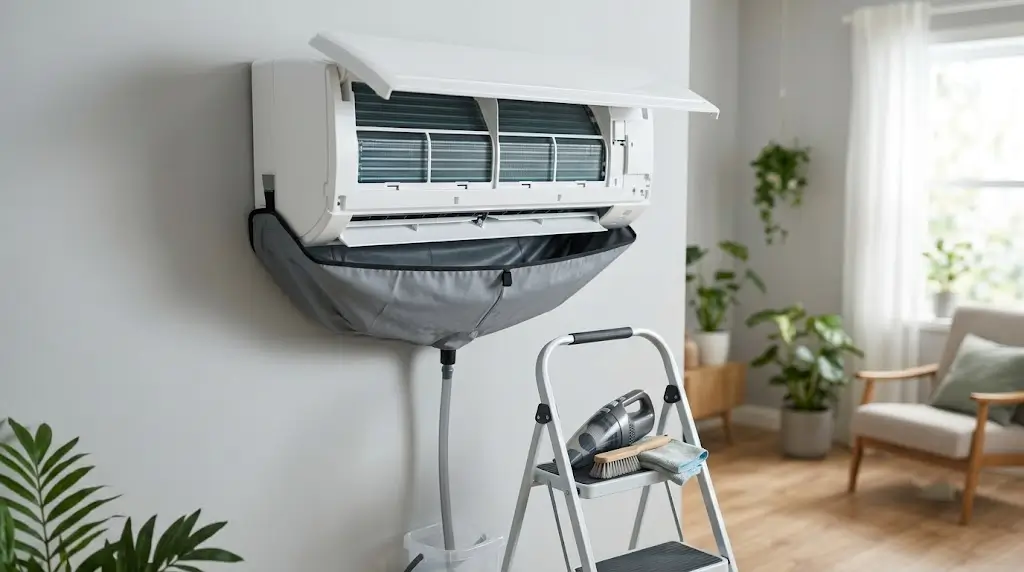
Routine maintenance is a critical homeowner task that keeps ductless heat pumps running efficiently and extends their lifespan. Heat pump maintenance involves simple steps that most homeowners can handle. Industry studies show that regular heat pump maintenance can reduce repair costs for ductless heat pumps by up to 40%. This approach helps prevent costly repairs and ensures reliable performance. Heat pump maintenance also improves indoor air quality and saves energy over time. Homeowners who follow heat pump maintenance routines enjoy better comfort and fewer breakdowns.