HVAC

VRF System Sizing for Commercial Buildings
HVAC

VRF System Sizing for Commercial Buildings

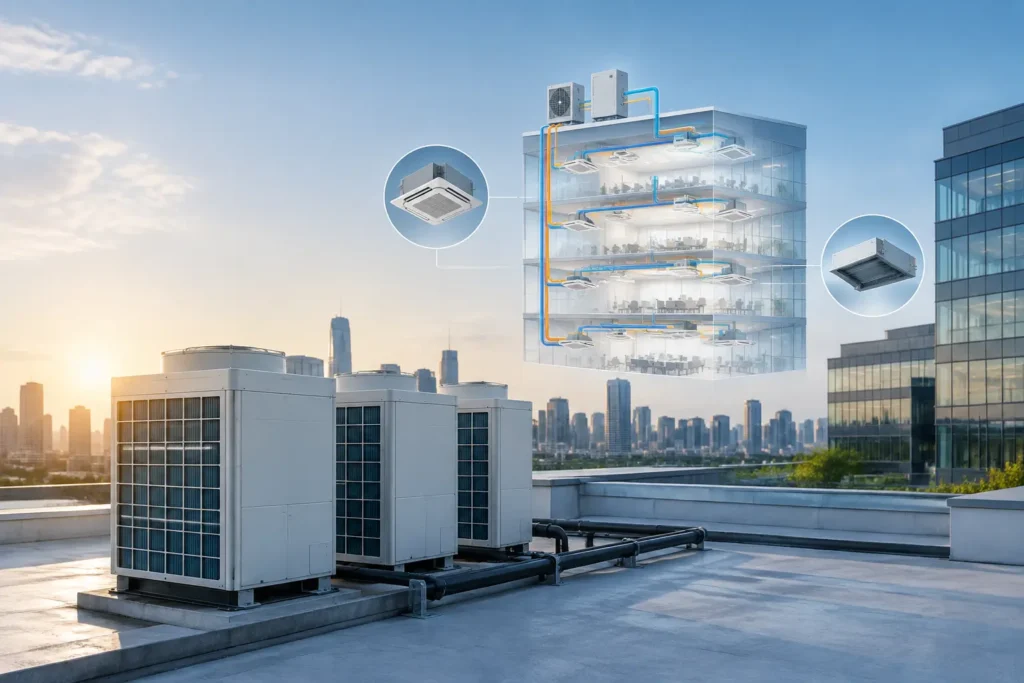
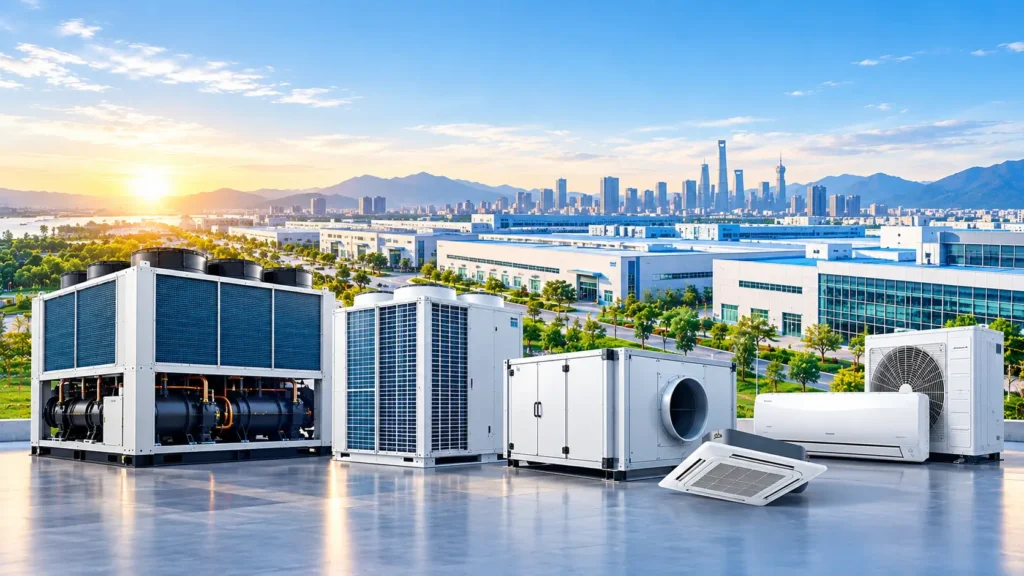
VRF system sizing starts with the building load, not the equipment catalog. A commercial VRF system should be selected after the design team has established room-by-room heating and cooling loads, operating conditions, ventilation requirements, and the expected diversity between zones. The selected indoor and outdoor units must then be checked against the manufacturer’s performance data, piping limits, elevation differences, and operating conditions.
Key Inventors of HVAC Technology From Gorrie to Carrier
HVAC

Key Inventors of HVAC Technology – From Gorrie to Carrier

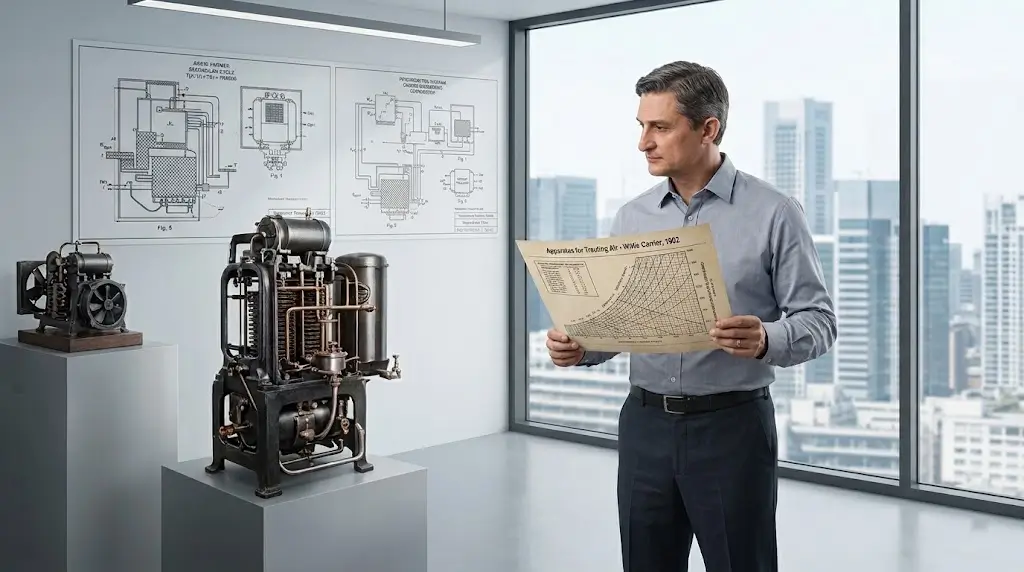
Modern HVAC technology evolved through cumulative inventions by Dr. John Gorrie, Willis Carrier, Alice Parker, Frederick McKinley Jones, and David Crosthwait.The invention of modern air conditioning wasn’t a single “eureka” moment by one individual, but a century-long accumulation of engineering breakthroughs. Early innovators converted basic thermodynamics principles into functional mechanical refrigeration, natural gas furnaces, and zoned ventilation systems. These visionaries transformed theoretical physics into reliable building climate control. According to the U.S. Department of Energy, heating and cooling account for around 35% of all energy consumption in buildings today. Sequential breakthroughs in steam heating, air movement, and transport cooling ultimately established our modern indoor comfort.

What Is Commercial HVAC and How Is It Different from Residential Systems
HVAC

What Is Commercial HVAC and How Is It Different from Residential Systems

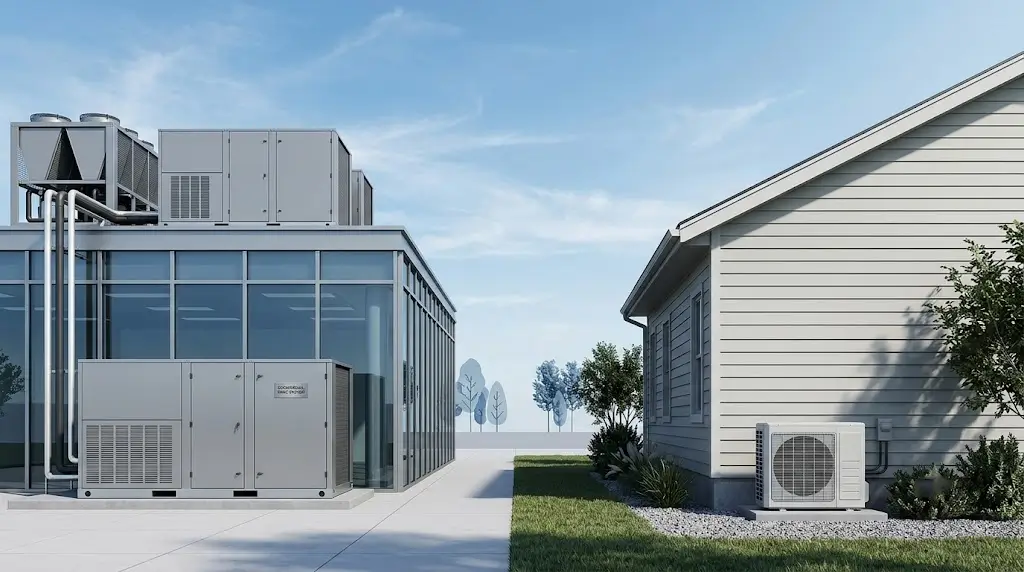
Whether you are a homeowner upgrading your living space or a developer outfitting a large commercial property, choosing the right climate control system is critical. While commercial HVAC systems are built to handle the complex demands of large offices and stores, residential HVAC focuses on delivering consistent comfort for homes, with their key differences lying in scale, advanced features, and energy priorities.

What Does HVAC Stand For and What Does It Mean
HVAC

What Does HVAC Stand For and What Does It Mean

An HVAC system is designed to regulate indoor climate and maintain thermal comfort. It precisely controls temperature, humidity, and airflow. By utilizing advanced filtration and mechanical ventilation, these systems significantly improve indoor air quality (IAQ) by capturing dust, pollen, and airborne pollutants.

Scroll to Top

Connect With Us